Torréfacteurs de Café de Spécialité : L’Art, la Science et la Passion Derrière Chaque Tasse Parfaite
Derrière chaque tasse de café d’exception se cache une histoire : celle de l’origine, du savoir-faire et de la passion.
Si beaucoup s’intéressent aux méthodes de préparation ou aux variétés de grains, peu réalisent le rôle essentiel du torréfacteur de café de spécialité.
Au Canada et dans le monde entier, ces artisans du goût ont révolutionné la manière dont nous percevons le café. Leur mission : transformer un simple grain vert en une expérience sensorielle inoubliable.
Mais que fait réellement un torréfacteur de café de spécialité ? En quoi diffère-t-il d’un torréfacteur industriel ? Et surtout, comment reconnaître les meilleurs d’entre eux ?
Découvrons ensemble l’univers fascinant de la torréfaction artisanale, où l’art rencontre la précision scientifique.

1. Qu’est-ce qu’un Torréfacteur de Café de Spécialité ?
Un torréfacteur de café de spécialité n’est pas un simple opérateur de machine.
C’est un artisan, un scientifique et un passionné, capable de révéler tout le potentiel aromatique d’un grain grâce à une maîtrise parfaite de la chaleur, du temps et du flux d’air.
Son objectif ? Mettre en valeur les saveurs distinctives et les nuances aromatiques uniques de chaque origine — qu’il s’agisse des notes fruitées et florales de l’Éthiopie ou de la douceur caramélisée du Honduras.
La torréfaction repose sur trois piliers fondamentaux :
- Le temps : durée de torréfaction du grain.
- La température : influence directe sur les arômes.
- La circulation de l’air : contrôle de la répartition de la chaleur.
Le moindre ajustement dans l’un de ces paramètres peut totalement transformer le profil gustatif d’un café.
2. Torréfaction de Spécialité vs Torréfaction Industrielle
Pour comprendre l’importance du café de spécialité, il faut comparer les deux approches :
| Aspect | Torréfacteurs de Spécialité | Torréfacteurs Industriels |
|---|---|---|
| Volume de production | Petits lots précis | Production massive |
| Objectif principal | Qualité, arômes, durabilité | Rendement et profit |
| Approvisionnement | Commerce direct, traçabilité | Marché de gros |
| Style de torréfaction | Adapté à chaque origine | Uniforme et souvent foncé |
| Public cible | Amateurs et connaisseurs | Consommation de masse |
En résumé, les torréfacteurs de café de spécialité considèrent le café comme un produit noble, et non comme une marchandise.
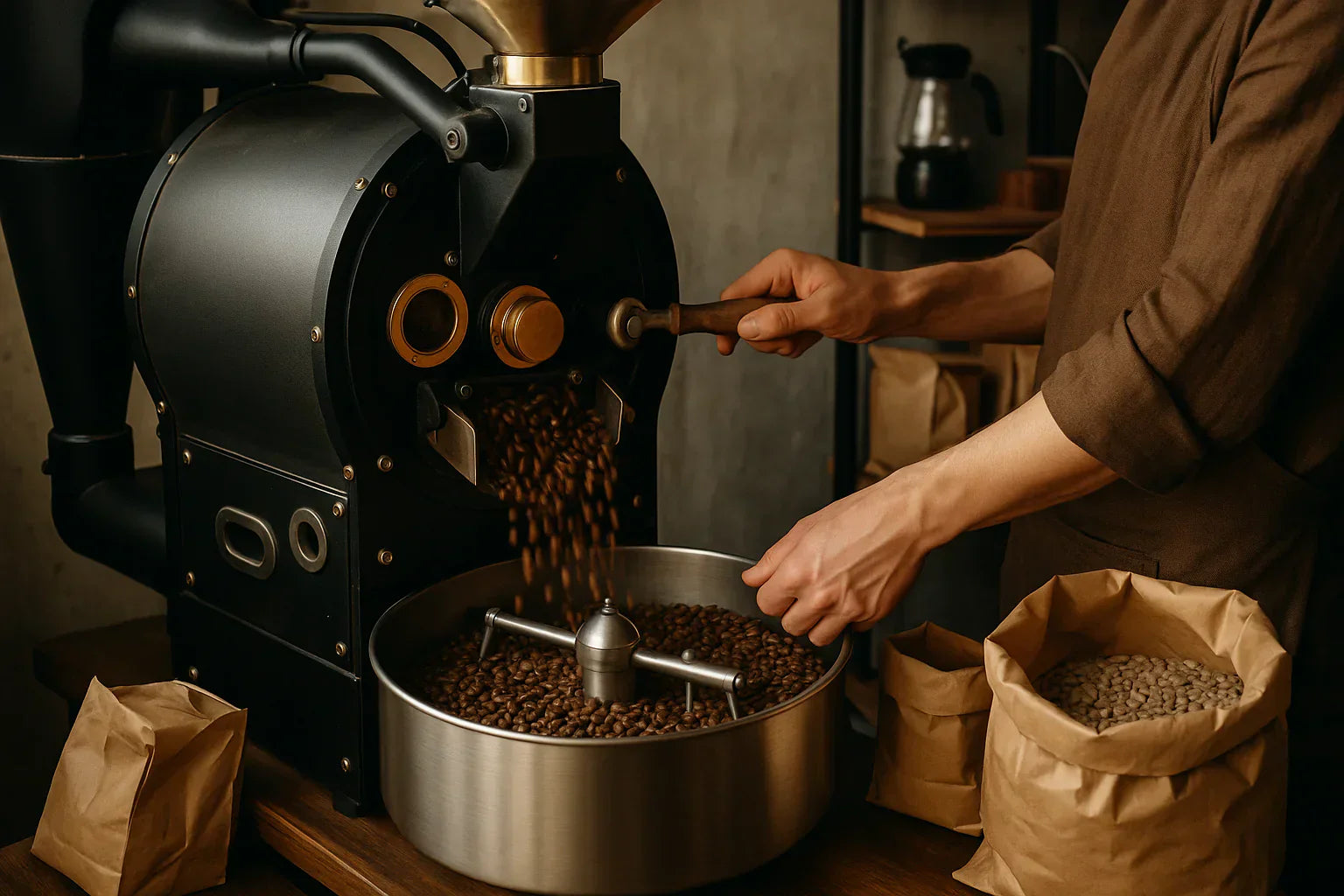
3. Le Processus de Torréfaction : Quand la Science Rencontre l’Art
Chaque étape de la torréfaction influence la saveur finale. Voici les principales phases du processus :
a) Le Séchage
Le grain vert contient environ 10 à 12 % d’humidité. Le torréfacteur chauffe lentement pour l’éliminer sans brûler le grain.
b) La Réaction de Maillard
C’est ici que la magie opère. Les sucres et les acides aminés réagissent pour créer des centaines de composés aromatiques — cette odeur irrésistible de café fraîchement torréfié.
c) Le “Premier Craquement”
Autour de 196 °C, le grain se dilate et émet un craquement sonore. Ce moment marque la transition entre une torréfaction claire et moyenne.
d) Le Développement
Cette dernière phase est cruciale. Trop courte, le café sera acide ; trop longue, il deviendra amer. Le torréfacteur ajuste la courbe de température à la seconde près.
Chaque café possède sa courbe de torréfaction unique — une véritable signature gustative.
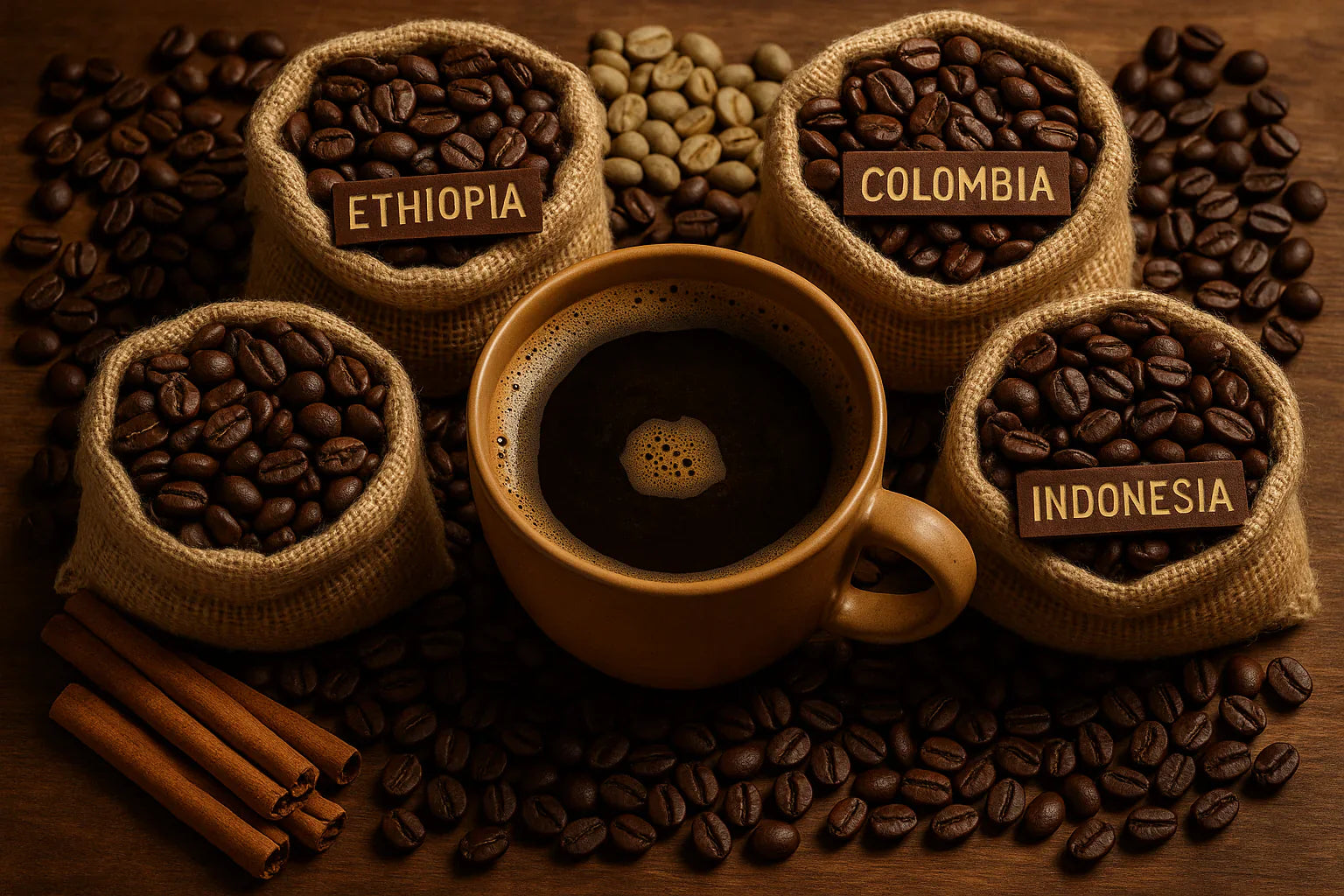
4. Les Origines du Café et Leurs Saveurs
Les torréfacteurs de café de spécialité mettent en avant le terroir et la singularité de chaque origine.
- Éthiopie : florale, fruitée et légère.
- Colombie : équilibrée, douce et chocolatée.
- Thaïlande : ronde, légèrement épicée et sucrée.
- Honduras : riche, douce et veloutée.
- Costa Rica : vive, acidulée et citronnée.
Pour approfondir vos connaissances sur les variétés et profils aromatiques du café, consultez cet article :
? Les différents types de café expliqués
5. Pourquoi les Torréfacteurs de Café de Spécialité Sont-ils Essentiels ?
a) Ils Garantissent la Qualité à Chaque Étape
Les torréfacteurs de spécialité veillent à la qualité depuis la ferme jusqu’à l’emballage. Ils travaillent souvent en commerce direct avec les producteurs.
b) Ils Préservent la Fraîcheur
Leur café est torréfié en petites quantités et livré rapidement, garantissant des arômes intacts.
c) Ils Partagent Leur Savoir
Ces artisans éduquent les consommateurs, en expliquant les méthodes de torréfaction, les origines et les meilleures façons de préparer le café.
d) Ils Innovent
Torréfactions expérimentales, fermentations anaérobies, procédés “honey” ou “barrel aged” : leur créativité redéfinit constamment les standards.
6. Comment Choisir un Bon Torréfacteur de Café de Spécialité
Voici quelques critères pour bien choisir :
- Transparence : le torréfacteur partage-t-il des détails sur l’origine et le processus ?
- Fraîcheur : la date de torréfaction est-elle indiquée ?
- Diversité : propose-t-il des cafés d’origine unique et des éditions limitées ?
- Engagement éthique : privilégie-t-il la durabilité et le commerce équitable ?
- Éducation : offre-t-il des ateliers ou séances de dégustation ?
7. Bien Préparer Son Café : Honorer le Travail du Torréfacteur
Même les meilleurs grains méritent une préparation soignée pour révéler tout leur potentiel.
Conseils de Préparation :
- Moudre juste avant l’extraction pour préserver les arômes.
- Utiliser de l’eau filtrée entre 90 °C et 96 °C.
- Respecter le bon ratio – 1 g de café pour 16 g d’eau.
- Tester plusieurs méthodes : espresso, filtre, Chemex, ou piston.
Pour maîtriser l’art de l’extraction, consultez :
? Comment préparer un excellent café
8. La Caféine : Le Secret de l’Énergie
Pourquoi le café nous réveille-t-il si bien ?
La caféine bloque les récepteurs d’adénosine — la molécule responsable de la sensation de fatigue — ce qui stimule la vigilance et la concentration.
Pour comprendre les effets de la caféine sur votre corps, lisez cet article :
? Pourquoi la caféine nous maintient-elle éveillés
9. Les Meilleurs Torréfacteurs de Café de Spécialité au Canada
Voici quelques acteurs incontournables du café de spécialité canadien :
-
Speciality Coffee Canada – Ministry of Roasters
Torréfaction artisanale en petits lots, avec des origines uniques (Honduras, Éthiopie, Thaïlande). - Phil & Sebastian (Calgary) – Transparence et profils aromatiques vibrants.
- 49th Parallel (Vancouver) – Qualité constante et commerce direct.
- Pilot Coffee Roasters (Toronto) – Équilibre et durabilité.
- Detour Coffee (Ontario) – Simplicité et innovation.
Chacun de ces torréfacteurs incarne la passion et la rigueur propres au café de spécialité.
10. L’Avenir de la Torréfaction de Spécialité
Le futur s’annonce prometteur et technologique :
- Torréfaction neutre en carbone.
- Utilisation de l’IA pour le contrôle thermique.
- Emballages écologiques et compostables.
- Collaboration directe avec les communautés productrices.
Les consommateurs recherchent désormais transparence, éthique et complexité aromatique — et les torréfacteurs de café de spécialité sont les premiers à répondre à cette demande.
Conclusion
Les torréfacteurs de café de spécialité sont les véritables artisans de notre quotidien caféiné. Leur savoir-faire transforme un simple grain vert en un concentré d’émotion et de plaisir.
Derrière chaque arôme, il y a une histoire : celle d’un producteur, d’une origine, et d’un torréfacteur passionné.
Alors, la prochaine fois que vous dégusterez une tasse parfaitement équilibrée, prenez un instant pour apprécier le travail de ces artistes du goût — et soutenez ceux qui torréfient avec cœur et précision.
☕ FAQ — Torréfacteurs de Café de Spécialité
1. Qu’est-ce qu’un torréfacteur de café de spécialité ?
C’est un artisan qui torréfie en petits lots pour révéler le potentiel aromatique de chaque origine.
2. Comment les torréfacteurs de spécialité choisissent-ils leurs grains ?
Grâce au commerce direct et à la traçabilité, en privilégiant la qualité et l’équité.
3. Combien de temps le café torréfié reste-t-il frais ?
Entre 2 et 4 semaines après la torréfaction, selon les conditions de conservation.
4. Quelle torréfaction est idéale pour un espresso ?
Une torréfaction moyenne à foncée pour un équilibre parfait entre douceur et intensité.
5. Les torréfacteurs de spécialité proposent-ils du café décaféiné ?
Oui, la plupart utilisent des procédés naturels comme Swiss Water ou CO₂.
6. Quelle quantité de caféine contient une tasse moyenne ?
Environ 80 à 120 mg pour 250 ml, selon le type et la méthode d’extraction.
7. Où acheter du café de spécialité au Canada ?
Sur SpecialityCoffee.ca, où chaque café est sélectionné et torréfié avec soin.