Les Cafés du Monde : Saveurs, Origines et Traditions à Découvrir
Le café est bien plus qu’une simple boisson du matin — c’est un voyage sensoriel à travers les continents.
Des hauts plateaux d’Éthiopie aux vallées verdoyantes de Colombie, en passant par les montagnes de Thaïlande et les terres volcaniques d’Indonésie, les cafés du monde racontent des histoires de terroirs, de cultures et de passion.
Chaque tasse possède une identité unique, façonnée par le climat, l’altitude, le sol et le savoir-faire des producteurs.
Dans ce guide complet, nous explorerons les principales régions productrices, les profils aromatiques emblématiques et les secrets de torréfaction qui donnent à chaque café son caractère inimitable.

1. Le Langage Universel du Café
Le café est aujourd’hui la boisson la plus consommée au monde après l’eau, et l’un des produits les plus échangés à l’échelle internationale.
Mais au-delà de l’économie, il représente un langage commun entre les peuples.
Chaque pays producteur a ses propres traditions, ses rituels de préparation et ses styles de torréfaction. Comprendre les cafés du monde, c’est découvrir comment la nature et la culture s’unissent pour créer des saveurs incomparables.
Avant de plonger dans les origines, prenez un instant pour explorer les bases :
? Les différents types de café expliqués
2. Les Grandes Régions Productrices de Café
La majorité du café mondial provient d’une zone appelée la ceinture du café, située entre les tropiques du Cancer et du Capricorne.
Elle regroupe trois grandes régions : l’Afrique, les Amériques et l’Asie-Pacifique.
Chacune d’elles offre un profil aromatique distinct, influencé par l’altitude, la composition du sol et les méthodes de transformation.
a) L’Afrique : le berceau du café
Pays clés : Éthiopie, Kenya, Rwanda, Tanzanie
L’Afrique est le berceau historique du café, et ses cafés figurent parmi les plus complexes et parfumés au monde.
- Café d’Éthiopie : floral, fruité et délicat, avec des notes de jasmin et de bergamote.
- Café du Kenya : vif, acidulé, avec des arômes de fruits rouges et une finale lumineuse.
- Café du Rwanda : doux, équilibré, avec des notes d’agrumes et de miel.
Les torréfacteurs de spécialité affectionnent particulièrement ces cafés pour leur pureté aromatique et leur complexité gustative.
b) Les Amériques : équilibre et douceur
Pays clés : Colombie, Brésil, Honduras, Costa Rica, Guatemala
L’Amérique latine domine la production mondiale grâce à la constance de sa qualité et à la diversité de ses terroirs.
- Café de Colombie : doux, rond et équilibré, aux notes de caramel et de cacao.
- Café du Brésil : onctueux, faible en acidité, avec des nuances de noisette et de chocolat.
- Café du Honduras : sucré, délicat et floral, parfait pour les amateurs d’espresso.
- Café du Costa Rica : vif, acidulé, et très aromatique.
- Café du Guatemala : corsé, épicé, et légèrement sucré.
Ces cafés séduisent par leur régularité, leur accessibilité et leur profil aromatique harmonieux.
c) L’Asie-Pacifique : richesse et caractère
Pays clés : Indonésie, Vietnam, Thaïlande, Papouasie-Nouvelle-Guinée
Cette région est réputée pour ses cafés puissants, à la texture riche et aux arômes profonds.
- Café d’Indonésie (Sumatra, Java) : corsé, terreux, avec des notes de cacao et d’épices.
- Café du Vietnam : intense, souvent torréfié foncé, parfait pour les amateurs de cafés forts.
- Café de Thaïlande : équilibré, légèrement sucré et doux, en plein essor sur la scène mondiale.
- Café de Papouasie-Nouvelle-Guinée : fruité, sirupeux, et complexe.
Les cafés asiatiques séduisent ceux qui recherchent des saveurs rondes et profondes.
3. Pourquoi les Cafés du Monde Ont-Ils des Saveurs Si Différentes ?
Chaque café est influencé par cinq facteurs essentiels :
- L’altitude : plus elle est élevée, plus le café sera complexe et acidulé.
- Le sol : les sols volcaniques favorisent la douceur et le corps.
- Le climat : la température et l’humidité influencent la maturation des cerises.
- Le traitement post-récolte : lavé, nature ou honey, chaque méthode change le goût.
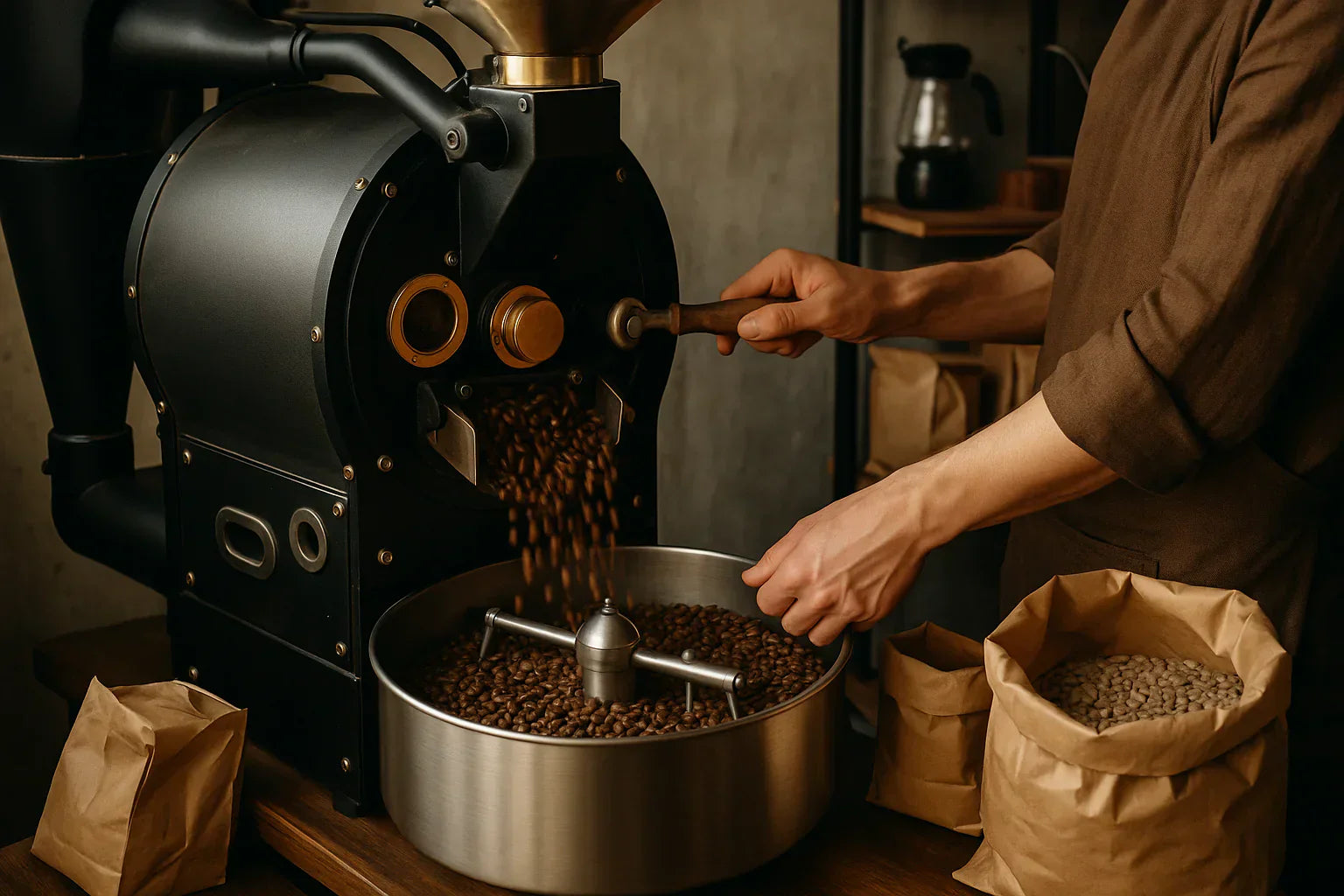
- La torréfaction : c’est elle qui révèle — ou masque — les caractéristiques naturelles du grain.
Pour mieux comprendre comment la torréfaction et la préparation influencent le goût, consultez :
? Comment préparer un excellent café
4. Le Rôle du Café de Spécialité dans la Découverte des Cafés du Monde
Le mouvement du café de spécialité a transformé notre façon de consommer le café.
Plutôt que de mélanger des origines, les torréfacteurs privilégient les cafés d’origine unique, permettant à chaque terroir d’exprimer sa personnalité.
Les informations détaillées (altitude, variété, méthode de traitement) figurent souvent sur les emballages — une transparence qui éduque et valorise le producteur.
Chez Speciality Coffee Canada, la gamme Ministry of Roasters illustre parfaitement cet engagement.
Chaque café, provenant du Honduras, de la Thaïlande ou de l’Éthiopie, est torréfié en petits lots pour préserver fraîcheur et authenticité.
5. Préparer les Cafés du Monde à la Maison
Voyager à travers les cafés du monde ne nécessite pas de billet d’avion — juste quelques bons outils et un peu de curiosité.
Méthodes de préparation recommandées :
- Cafetière filtre ou Chemex : met en valeur la clarté et l’origine du café.
- Cafetière à piston : extraction complète, texture riche.
- Machine espresso : saveur concentrée et crémeuse.
- Cold Brew : doux, désaltérant et faible en acidité.
? Pour découvrir les secrets d’un café parfait :
Comment préparer un excellent café
6. La Caféine : Énergie et Science
Pourquoi le café nous stimule-t-il autant ?
La caféine bloque les récepteurs d’adénosine, responsables de la somnolence, ce qui maintient le cerveau en éveil.
Cependant, chacun réagit différemment à la caféine, selon son métabolisme et son niveau de tolérance.
Pour en savoir plus sur cet effet stimulant, consultez :
? Pourquoi la caféine nous maintient-elle éveillés ?
7. Durabilité : Protéger les Cafés de Demain
Le changement climatique menace directement les cafés du monde.
La hausse des températures, les maladies et les sécheresses réduisent les zones propices à la culture.
Heureusement, les torréfacteurs et coopératives responsables s’engagent à préserver la filière grâce à :
- L’agriculture ombragée et biologique.
- Le commerce direct avec les producteurs.
- La torréfaction écoénergétique.
- Les emballages recyclables ou compostables.
Choisir un café éthique comme ceux de Speciality Coffee Canada, c’est soutenir un modèle durable et respectueux des producteurs.
8. Comment Démarrer Votre Voyage Caféiné à Travers le Monde
Voici quelques étapes simples pour explorer les cafés du monde depuis chez vous :
- Essayez une nouvelle origine chaque mois – commencez par l’Éthiopie, le Brésil et la Thaïlande.
- Achetez du café fraîchement torréfié – vérifiez la date sur l’emballage.
- Prenez des notes de dégustation – acidité, douceur, texture, intensité.
- Expérimentez les méthodes d’extraction – espresso, filtre, piston.
- Partagez vos découvertes – organisez des dégustations avec vos proches.
Conclusion
Découvrir les cafés du monde, c’est voyager sans quitter sa tasse.
Chaque origine reflète un paysage, une culture et une passion.
Des arômes floraux d’Éthiopie à la douceur chocolatée du Brésil, en passant par la richesse des cafés thaïlandais, chaque gorgée raconte une histoire.
Chez Speciality Coffee Canada, nous célébrons cette diversité en sélectionnant des cafés d’exception, torréfiés avec précision et respect du terroir.
Savourez, explorez et laissez le monde venir à vous, une tasse à la fois.
☕ FAQ — Cafés du Monde
1. Quelles sont les principales régions productrices de café ?
L’Afrique, les Amériques et l’Asie-Pacifique — chacune offrant des profils gustatifs distincts.
2. Qu’est-ce qu’un café d’origine unique ?
Un café provenant d’une seule ferme ou région, révélant la signature gustative de son terroir.
3. Quel pays produit le meilleur café ?
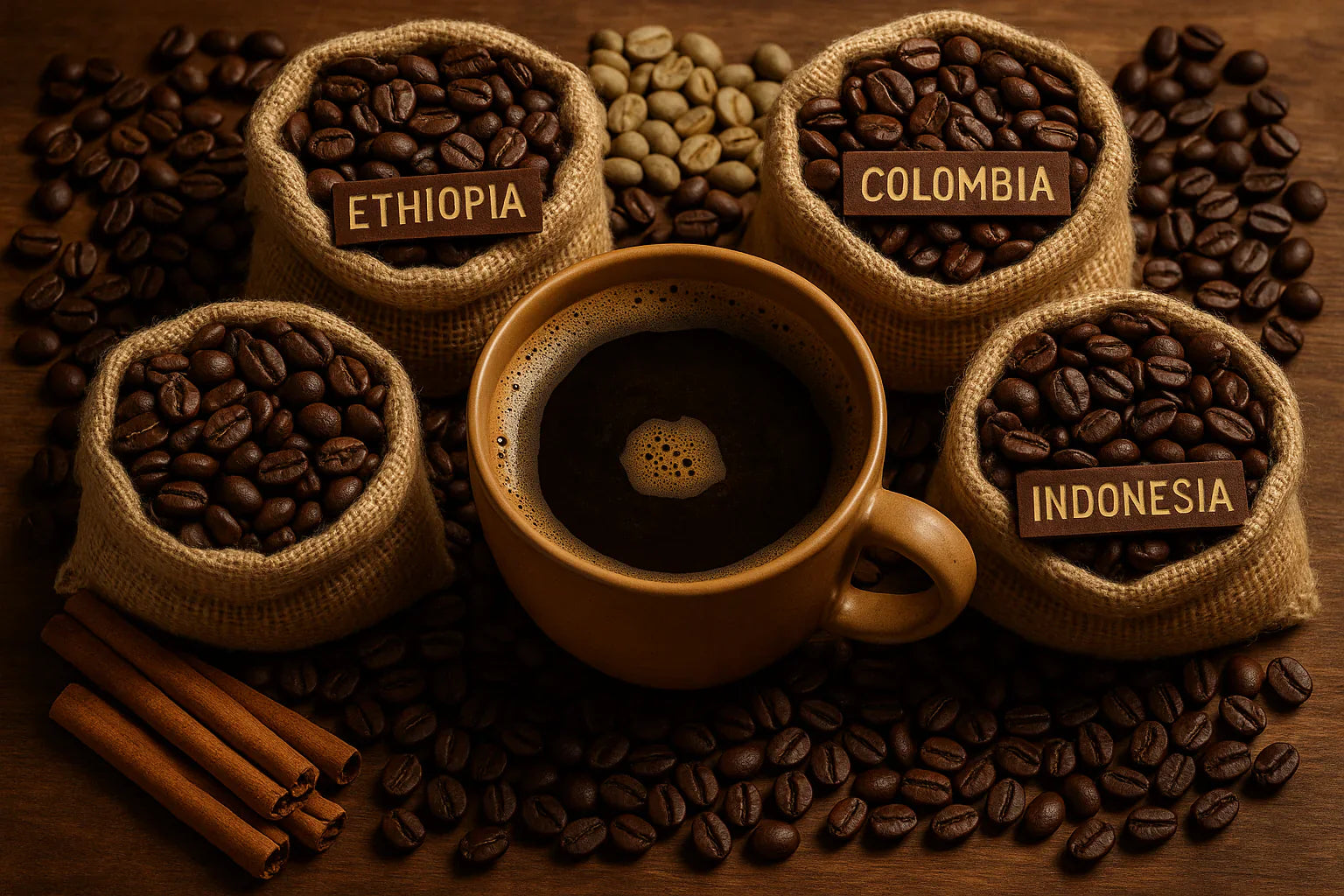
Selon les goûts : l’Éthiopie pour sa finesse, la Colombie pour son équilibre, l’Indonésie pour sa richesse.
4. Quelle méthode utiliser pour déguster les cafés du monde ?
Le filtre met en valeur la clarté, tandis que l’espresso révèle la profondeur.
5. Quelle torréfaction choisir pour découvrir les origines ?
La torréfaction moyenne, qui préserve à la fois douceur et complexité aromatique.
6. Quelle quantité de caféine contient une tasse moyenne ?
Entre 80 et 120 mg selon la variété (Arabica ou Robusta) et la méthode.
7. Où acheter des cafés du monde authentiques au Canada ?
Sur SpecialityCoffee.ca, où chaque grain est soigneusement sélectionné et torréfié artisanalement.