Best Canadian Coffee Roasters: A Practical Buying Guide
The best Canadian coffee roaster for you is the one whose coffees fit your taste, brewer and appetite for discovery. A chocolate-led daily espresso and a delicate floral filter coffee can both be excellent choices. They simply serve different routines.
This is a curated buying guide to roasters in our shop, not an independent national ranking. Use it to find a starting point, then compare the current coffee rather than buy by reputation alone.
Start with the cup you drink most often
For lattes, look for an espresso recommendation and flavours you enjoy with milk. For black filter coffee, compare fruit, floral and more rounded profiles. Single origins and blends can work in either method; the specific roast and recipe matter.
Read the producer, processing, bag weight and roast information. A useful product description explains what you are buying without relying on a score or an undefined promise of sustainability.
Ontario roasters to explore
Pilot: Toronto
Pilot began as Te Aro in 2009. Its range makes it possible to compare a daily blend, a single origin and a decaf without leaving the same roaster. Read the coffee’s brewing designation rather than assume all Pilot bags have the same roast.
Explore Pilot · Read the roaster’s story
De Mello: Toronto
Founded by brothers Felix and Won Cha in 2013, De Mello offers an accessible route into blends and changing single origins. Dancing Goats is a useful reference for familiar sweet, chocolate-led flavours; compare its current description with a more adventurous lot.
Explore De Mello · Read the roaster’s story
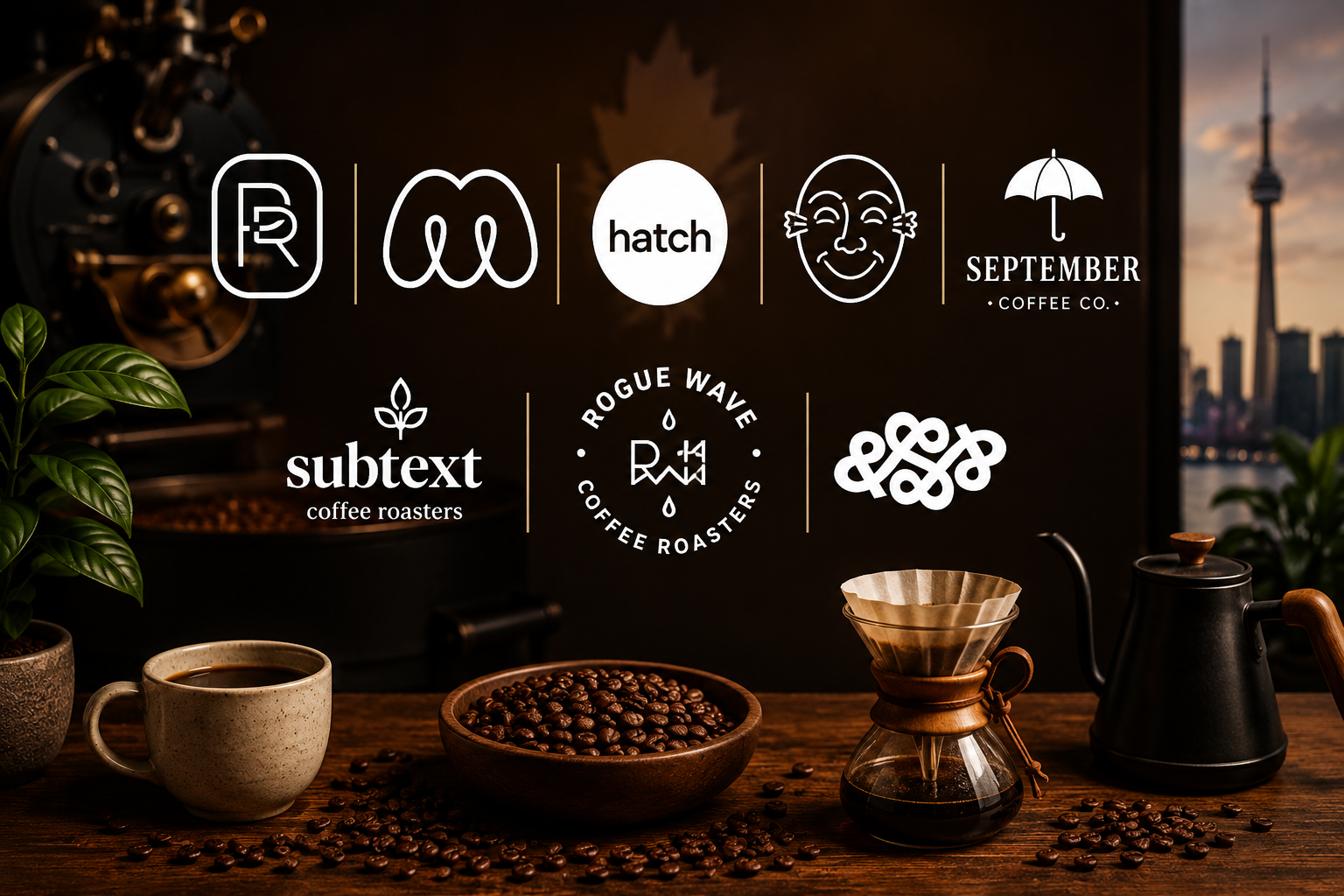
Hatch: Markham
Hatch brings together recurring coffees and a changing selection of more unusual lots. Start with the individual profile: a comfortable espresso and a delicate filter release ask different things of your recipe, even when they share the same roaster.
Explore Hatch · Read the roaster’s story
September: Ottawa
Founded by Natasha and Kyle, September describes a light, bright approach to roasting. Some releases need particularly patient resting and brewing. Read the lot’s advice before treating it like a more developed espresso blend.
Explore September · Read the roaster’s story
Subtext: Toronto
Subtext puts producer and lot information at the centre of its presentation. It is worth exploring if you enjoy comparing varieties and processing. Keep those details alongside the flavour notes when deciding between two bags.
Explore Subtext · Read the roaster’s story
Three Alberta perspectives
Monogram: Calgary
Monogram’s founders are Ben Put, Justin Eyford and Jeremy Ho. Its selection gives drinkers room to move between familiar profiles and more unusual releases. Check whether a recurring name is offered as espresso or filter before ordering.
Explore Monogram · Read the roaster’s story
Phil & Sebastian: Calgary
From a farmers’ market café in 2007, Phil & Sebastian developed a range spanning expressive espresso and approachable filter coffee. Compare the current roast profile and producer details; an award or a familiar name does not identify every seasonal lot.
Explore Phil & Sebastian · Read the roaster’s story
Rogue Wave: Edmonton
Rogue Wave’s selection is a useful place to explore different origins, varieties and processes. Choose a coffee with a clear contrast to your usual bag, then use its brewing guidance to make the comparison meaningful.
Explore Rogue Wave · Read the roaster’s story
Keep exploring Canadian coffee
Quebec also offers several directions: 94 Celcius, Escape and ZAB. In Calgary, Rosso offers another range to compare. These are suggestions for discovery, not an exhaustive map of Canadian roasting.
For a first order, choose one familiar profile and one deliberate contrast. Compare prices per 100 g, check availability and any preorder notice, and buy an amount that fits your consumption. Our coffee bean buying guide includes further Canadian and international options.
Sources and further reading: Pilot; De Mello; Hatch; September; Subtext; Monogram; Phil & Sebastian; Rogue Wave.