Specialty Coffee Beans: How to Choose a Bag in Canada
A bag of specialty coffee beans contains several stories at once: where the coffee grew, how the fruit was processed, how the seeds were roasted and how you might prepare them. Learning to read those details makes choosing a bag more enjoyable and less dependent on a brand name or score.
Begin with the coffee, not the packaging
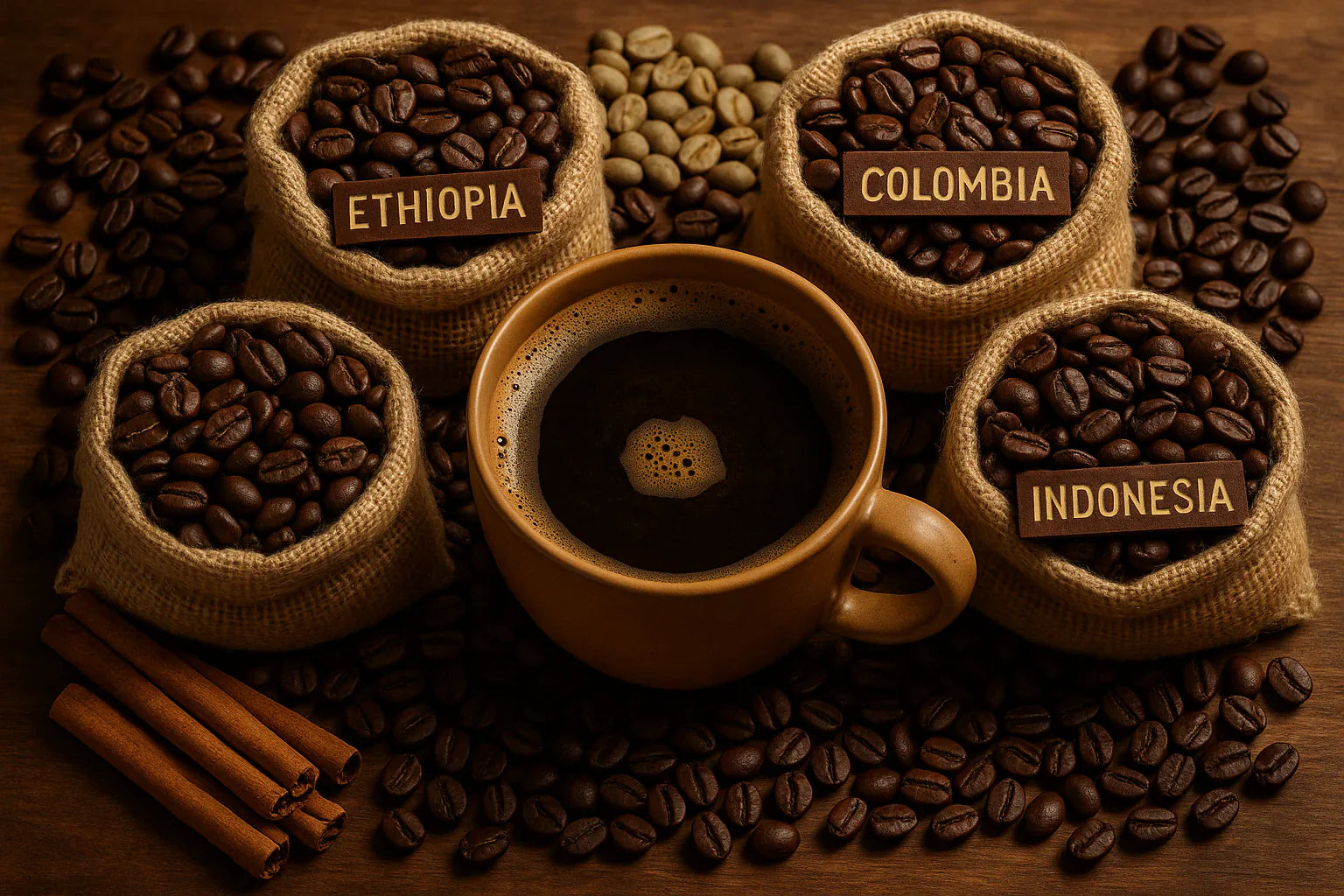
Coffee beans are the seeds of a fruit commonly called a coffee cherry. The growing origin and the roaster’s location are different pieces of information. A roaster in Montreal or Tokyo may work with coffees from Ethiopia, Colombia or many other producing countries.
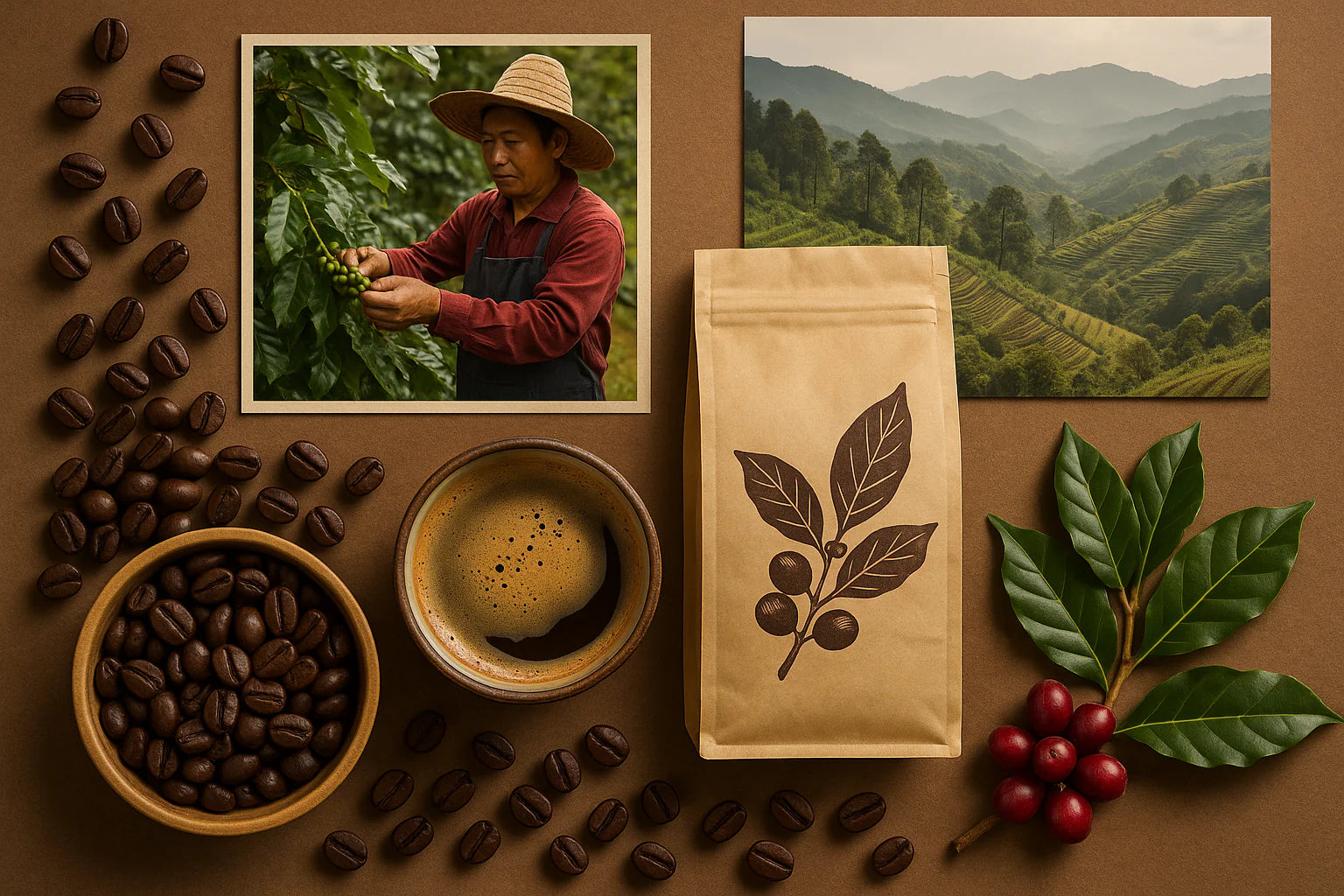
Look for the producer or cooperative when named, the region, the variety and the process. These details can explain differences between two bags from the same country. An origin name alone is not a fixed flavour recipe.
Read variety and process together
Variety describes the coffee plant’s genetic background. Processing describes how the fruit and seed were handled after harvest. A familiar variety can taste different across growing conditions, processes and roast profiles.
Washed, natural and honey are useful processing terms, but do not guarantee a flavour. More elaborate fermentation descriptions deserve a closer read, particularly when fruit or other ingredients were added during processing. A printed tasting note such as peach is not sufficient evidence of an addition.
Choose the roast for your brewer
Light, medium and dark descriptions vary between roasters. Read the flavour notes and brewing recommendation alongside them. An espresso label does not necessarily mean dark, while an omni-roast is intended to be adapted across methods.
If you usually make a latte, start with a coffee described for espresso and flavours that appeal with milk. If you drink filter coffee black, compare rounded, fruity and floral directions. There is no need to begin with the most unusual lot.
Buy a useful quantity
Check the bag weight as well as the price. To compare fairly, divide the price by grams and multiply by 100. A 100 g tasting format and a 300 g everyday bag should not be compared by sticker price alone.
The roast date helps you plan, but the youngest bag is not automatically at its best. Some coffees benefit from a longer rest. Follow the roaster’s advice and store the beans sealed, dry and away from heat. Grind near brewing when practical; if you need ground coffee, match it to your method.
Let one bag teach you something
Keep a simple note of the coffee, recipe and result. Next time, change one meaningful feature: perhaps the process, roast or producer. That makes the purchase a useful comparison rather than a search for a universally “best” bean.
Explore specialty coffee beans in Canada
Compare Hatch, Monogram and La Cabra by current lot. Our coffee bag guide explains the label in more detail.
Sources and further reading: World Coffee Research: coffee varieties; Nordic Approach: processing; SCA: freshness.