Coffees of the World: Discovering the Flavors, Origins, and Stories Behind Every Cup
Coffee is much more than just a morning drink — it's a sensory journey across continents.
From the highlands of Ethiopia to the verdant valleys of Colombia, the mountains of Thailand and the volcanic lands of Indonesia, the world's coffees tell stories of terroirs, cultures and passion.
Each cup has a unique identity, shaped by the climate, altitude, soil and the know-how of the producers.
In this comprehensive guide, we'll explore the main growing regions, iconic flavor profiles, and roasting secrets that give each coffee its inimitable character.

1. The Universal Language of Coffee
Coffee is now the most consumed beverage in the world after water, and one of the most traded products internationally.
But beyond the economy, it represents a common language between peoples.
Each producing country has its own traditions, preparation rituals and roasting styles. Understanding the world's coffees means discovering how nature and culture come together to create unmistakable flavours.
Before we dive into the origins, take a moment to explore the basics:
? The different types of coffee explained
2. Major Coffee-Producing Regions
The majority of the world's coffee comes from an area called the Coffee Belt, located between the tropics of Cancer and Capricorn.
It includes three major regions: Africa, the Americas and Asia-Pacific.
Each of them offers a distinct aromatic profile, influenced by altitude, soil composition and processing methods.
a) Africa: the cradle of coffee
Key Countries: Ethiopia, Kenya, Rwanda, Tanzania
Africa is the historical birthplace of coffee, and its coffees are among the most complex and fragrant in the world.
- Coffee from Ethiopia: floral, fruity and delicate, with notes of jasmine and bergamot.
- Coffee from Kenya: lively, tangy, with aromas of red fruits and a bright finish.
- Coffee from Rwanda: Smooth, balanced, with notes of citrus and honey.
Specialty roasters are particularly fond of these coffees for their aromatic purity and taste complexity.
b) The Americas: balance and gentleness
Key Countries: Colombia, Brazil, Honduras, Costa Rica, Guatemala
Latin America dominates world production thanks to the consistency of its quality and the diversity of its terroirs.
- Coffee from Colombia: sweet, round and balanced, with notes of caramel and cocoa.
- Coffee from Brazil: smooth, low in acidity, with nuances of hazelnut and chocolate.
- Coffee from Honduras: sweet, delicate and floral, perfect for espresso lovers.
- Costa Rican coffee: lively, tangy, and very aromatic.
- Coffee from Guatemala: full-bodied, spicy, and slightly sweet.
These coffees seduce with their regularity, accessibility and harmonious aromatic profile.
(c) Asia-Pacific: richness and character
Key Countries: Indonesia, Vietnam, Thailand, Papua New Guinea
This region is renowned for its powerful coffees, with a rich texture and deep aromas.
- Coffee from Indonesia (Sumatra, Java): full-bodied, earthy, with notes of cocoa and spices.
- Coffee from Vietnam: intense, often dark roasted, perfect for lovers of strong coffees.
- Coffee from Thailand: balanced, slightly sweet and mild, booming on the world stage.
- Papua New Guinea coffee: fruity, syrupy, and complex.
Asian coffees appeal to those looking for round, deep flavors.
3. Why Do Coffees of the World Have Such Different Flavors?
Every coffee is influenced by five essential factors:
- Altitude: the higher it is, the more complex and tangy the coffee will be.
- Soil: volcanic soils promote softness and body.
- Climate: Temperature and humidity influence the ripening of cherries.
- Post-harvest treatment: washed, plain or honey, each method changes the taste.
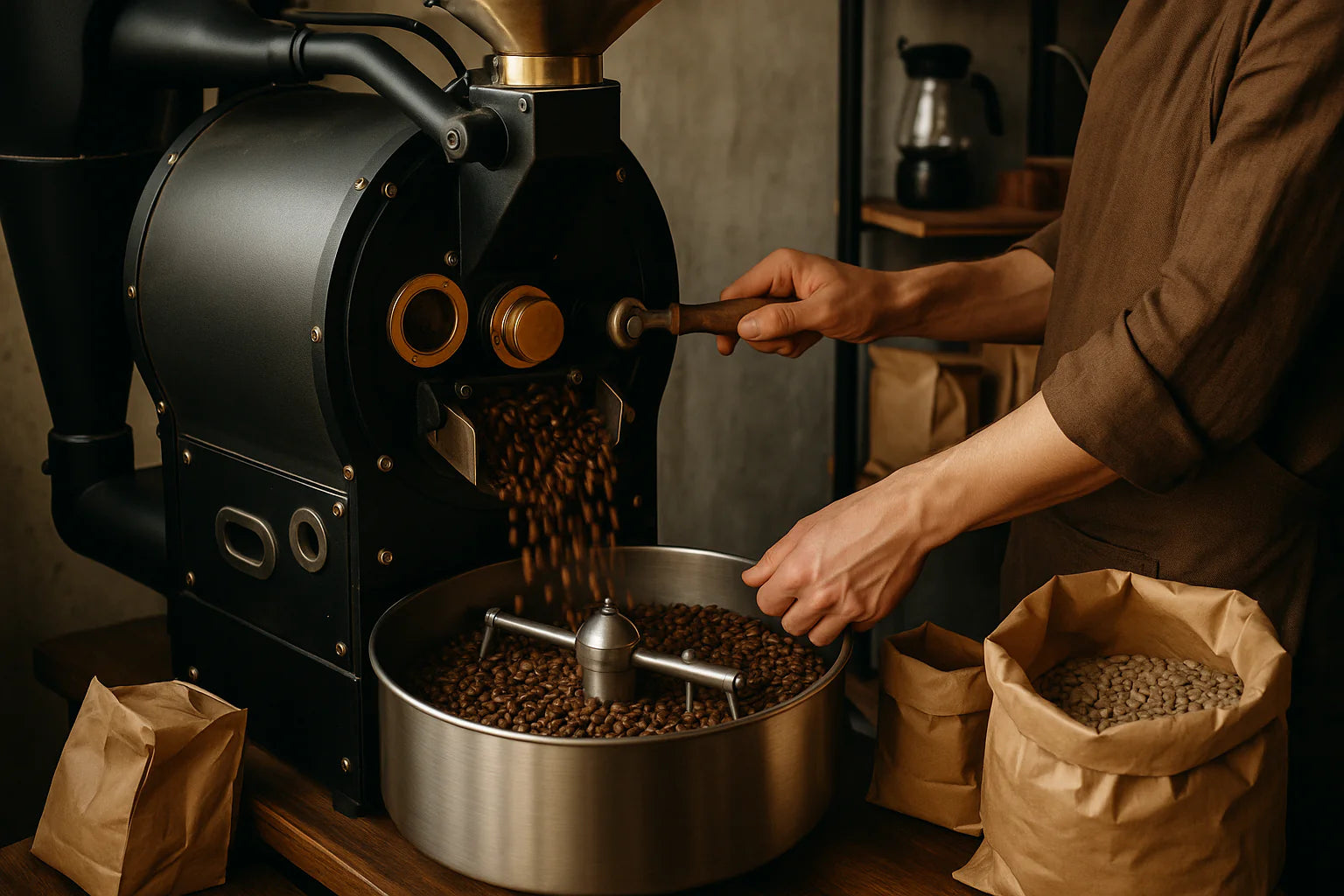
- Roasting: this is what reveals — or masks — the natural characteristics of the bean.
To better understand how roasting and preparation influence taste, check out:
? How to make great coffee
4. The Role of Specialty Coffee in the Discovery of Coffees from Around the World
The specialty coffee movement has transformed the way we consume coffee.
Rather than blending origins, roasters favor single-origin coffees, allowing each terroir to express its personality.
Detailed information (altitude, variety, processing method) is often included on the packaging — a transparency that educates and enhances the value of the producer.
At Speciality Coffee Canada, the Ministry of Roasters line is a perfect example of this commitment.
Each coffee, from Honduras, Thailand or Ethiopia, is roasted in small batches to preserve freshness and authenticity.
5. Prepare World Coffees at Home
Traveling through the world's cafes doesn't require a plane ticket — just a few good tools and a little curiosity.
Recommended preparation methods:
- Drip coffee maker or Chemex: highlights the clarity and origin of the coffee.
- French press: complete extraction, rich texture.
- Espresso machine: concentrated and creamy flavor.
- Cold Brew: Sweet, thirst-quenching and low in acidity.
? To discover the secrets of perfect coffee:
How to make great coffee
6. Caffeine: Energy and Science
Why does coffee stimulate us so much?
Caffeine blocks adenosine receptors, which are responsible for drowsiness, which keeps the brain awake.
However, everyone reacts differently to caffeine, depending on their metabolism and tolerance level.
To learn more about this stimulating effect, check out:
? Why does caffeine keep us awake?
7. Sustainability: Protecting the Coffees of Tomorrow
Climate change is a direct threat to the world's coffee shops.
Rising temperatures, diseases and droughts are reducing areas suitable for cultivation.
Fortunately, responsible roasters and cooperatives are committed to preserving the sector through:
- Shady and organic farming.
- Direct trade with producers.
- Energy-efficient roasting.
- Recyclable or compostable packaging.
Choosing an ethical coffee like those from Speciality Coffee Canada means supporting a sustainable model that respects producers.
8. How to Start Your Caffeinated Journey Around the World
Here are some simple steps to explore the world's cafes from home:
- Try a new origin every month – start with Ethiopia, Brazil, and Thailand.
- Buy freshly roasted coffee – check the date on the packaging.
- Take tasting notes – acidity, sweetness, texture, intensity.
- Experiment with extraction methods – espresso, filter, plunger.
- Share your discoveries – organize tastings with your loved ones.
Conclusion
Discovering the world's coffees means travelling without leaving your cup.
Each origin reflects a landscape, a culture and a passion.
From the floral aromas of Ethiopia to the chocolatey sweetness of Brazil, to the richness of Thai coffees, every sip tells a story.
At Speciality Coffee Canada, we celebrate this diversity by selecting exceptional coffees, roasted with precision and respect for the terroir.
Savor, explore, and let the world come to you, one cup at a time.
☕ FAQ — Cafés du Monde
1. What are the main coffee-producing regions?
Africa, the Americas and Asia-Pacific — each with distinct taste profiles.
2. What is a single-origin coffee?
Coffee from a single farm or region, revealing the taste signature of its terroir.
3. Which country produces the best coffee?
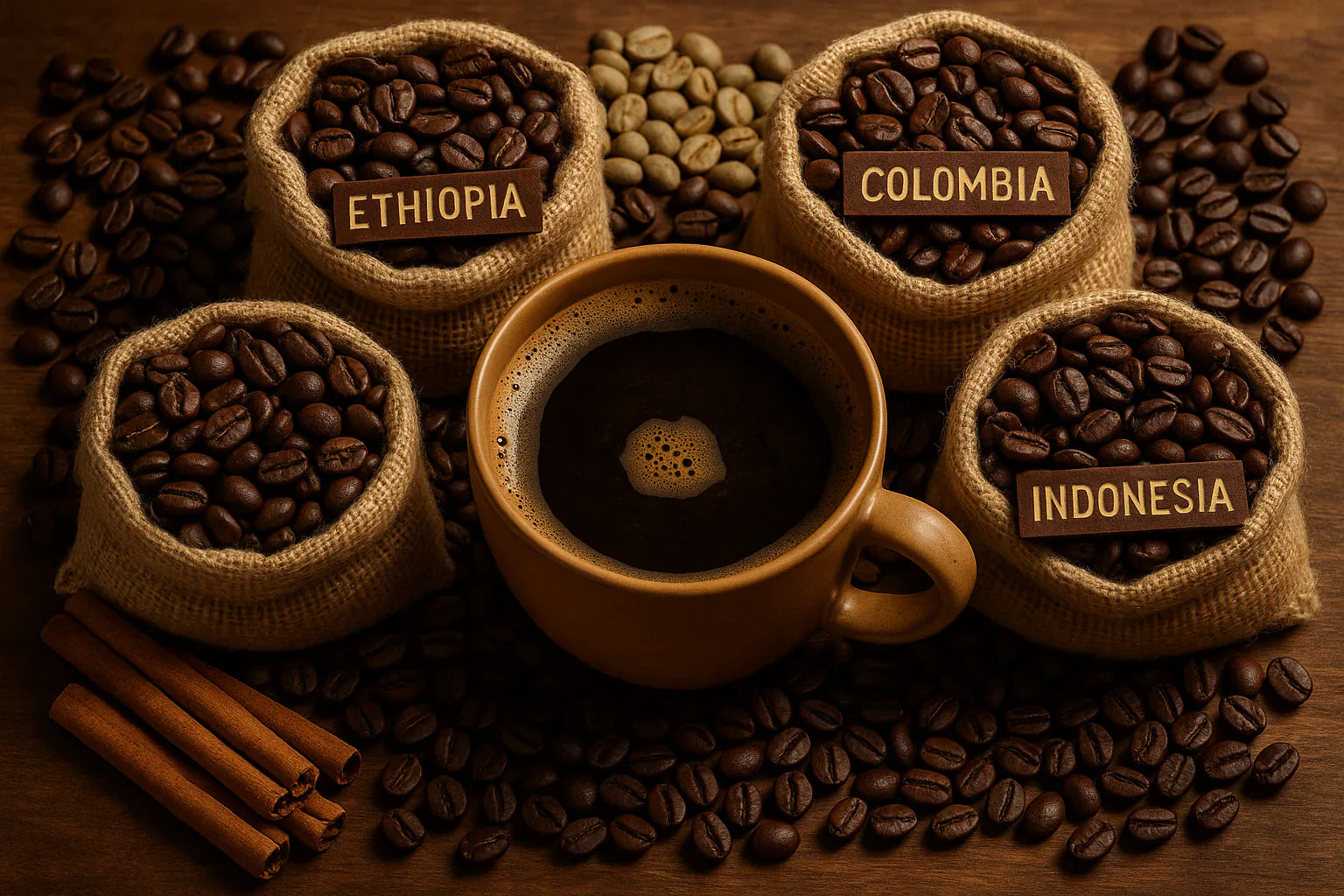
Depending on your tastes: Ethiopia for its finesse, Colombia for its balance, Indonesia for its richness.
4. What method should I use to taste the world's coffees?
The filter highlights clarity, while espresso reveals depth.
5. Which roastery should you choose to discover the origins?
The medium roast, which preserves both sweetness and aromatic complexity.
6. How much caffeine is in a medium cup?
Between 80 and 120 mg depending on the variety (Arabica or Robusta) and the method.
7. Where to buy authentic world coffees in Canada?
On SpecialityCoffee.ca, where each bean is carefully selected and roasted by hand.