Global Coffee Culture: Origins, Roasters and Shared Discovery
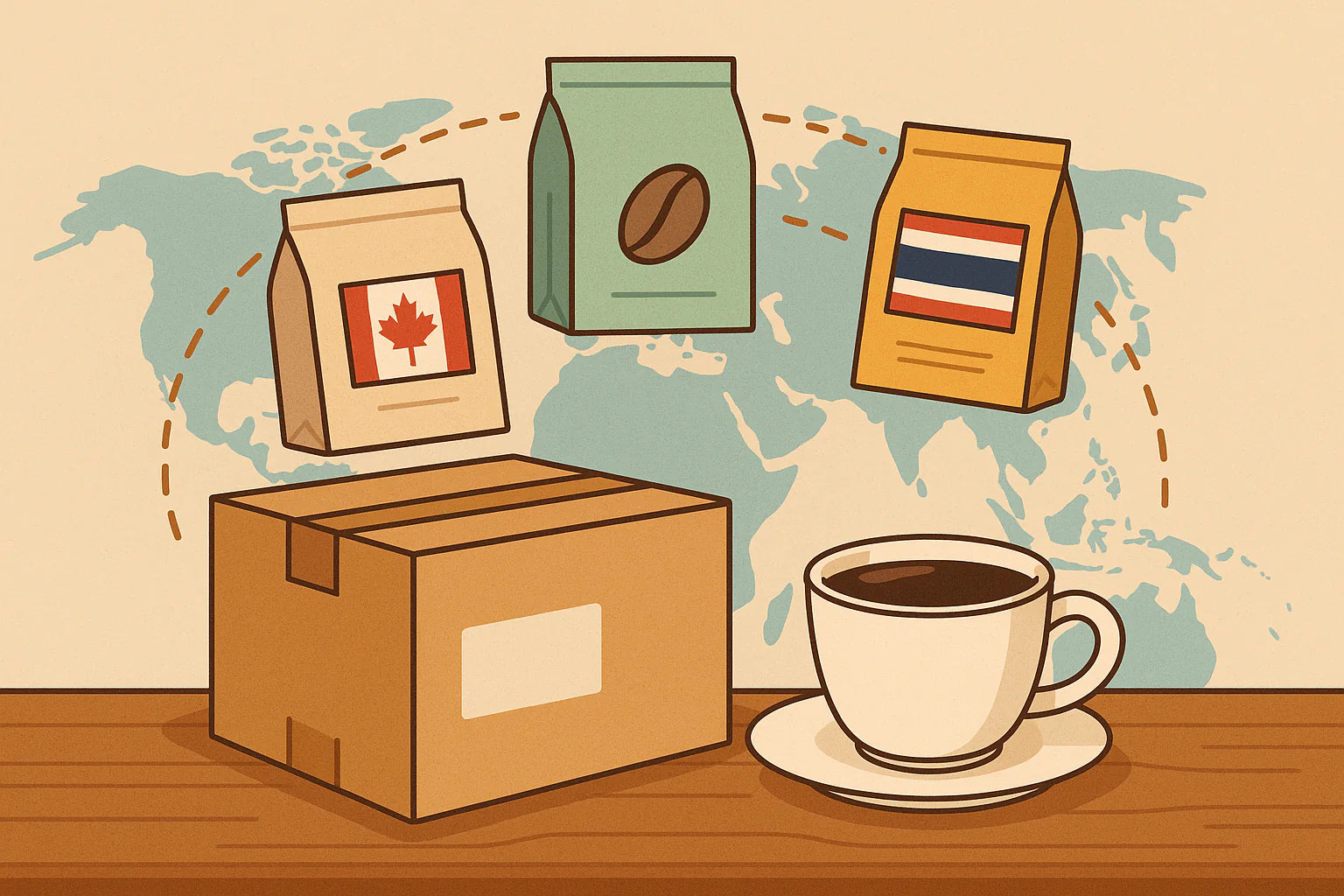
Coffee connects places in two ways: through the countries that grow it and through the people who roast, prepare and share it. Exploring both makes a bag more interesting than a simple country label. A Colombian coffee roasted in Japan carries more than one geographical story.
Start with the growing origin
The coffee plant, variety, growing conditions and post-harvest work provide the foundation. A country name can orient you, but the producer, region and process offer a closer view. Two coffees from the same country may be more different than two from opposite sides of the world.
When you read a bag, separate the place of cultivation from the roaster’s address. This small habit avoids mistaking “Japanese coffee” for coffee necessarily grown in Japan, or assuming that a Thai roaster only works with Thai-grown beans.
Roasters add different points of view
In Osaka, LiLo grew from a small coffee project connected with a hair salon into a roaster with a varied range. Its history is a reminder that a coffee business can become part of a neighbourhood in an individual way.
In Zurich, MAME connects Emi Fukahori and Mathieu Theis’s coffee work with an approachable focus on flavour. In Bangkok, Ministry of Roasters offers another route into roasting, brewing and coffee education.
These examples illustrate different businesses, not universal national personalities. The useful comparison is between actual coffees and practices, rather than stereotypes about what a whole country likes.
Make discovery a shared experience
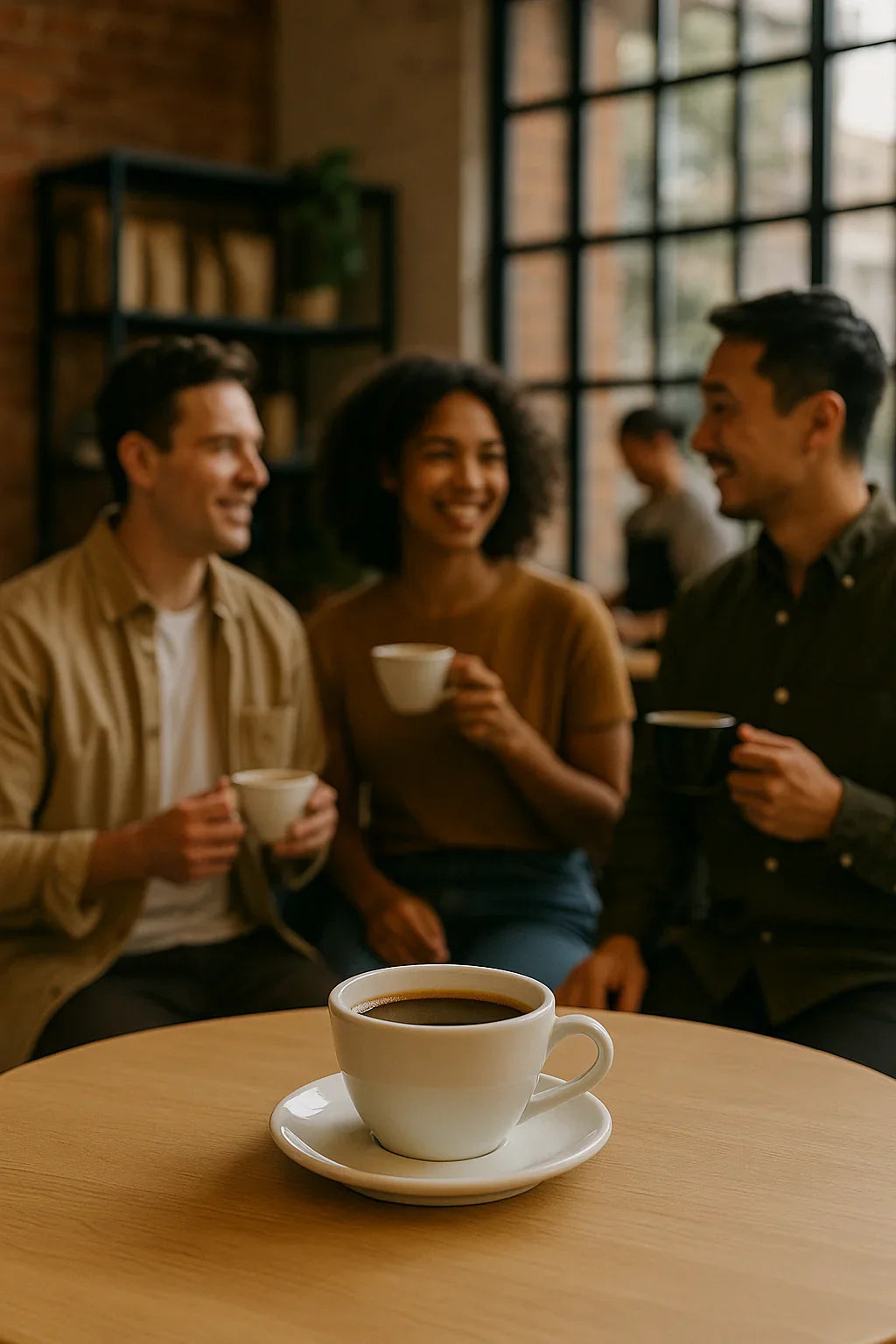
A two-coffee tasting can turn an ordinary break into a conversation. Choose contrasting descriptions, use the same water and brewer, and ask what each person notices. One person may prefer a lighter texture while another enjoys a rounder cup.
You do not need a professional vocabulary to take part. Words such as sweet, citrus-like, chocolatey or drying are enough to begin. The point is to listen and compare, not to make everyone agree.
Bring the comparison home
A multi-roaster selection lets you explore these perspectives without assuming that the most distant or unusual coffee is the best. Start with a familiar flavour and add one new direction.
Choose two places to explore
LiLo, MAME and Ministry of Roasters are starting points. For the growing side of the story, read our guide to coffee origins.
Sources and further reading: LiLo: Osaka beginnings; MAME: founders and coffee; Ministry of Roasters: Bangkok; Kew: the coffee plant.