Espresso vs Filter Roast: Choosing the Right Coffee
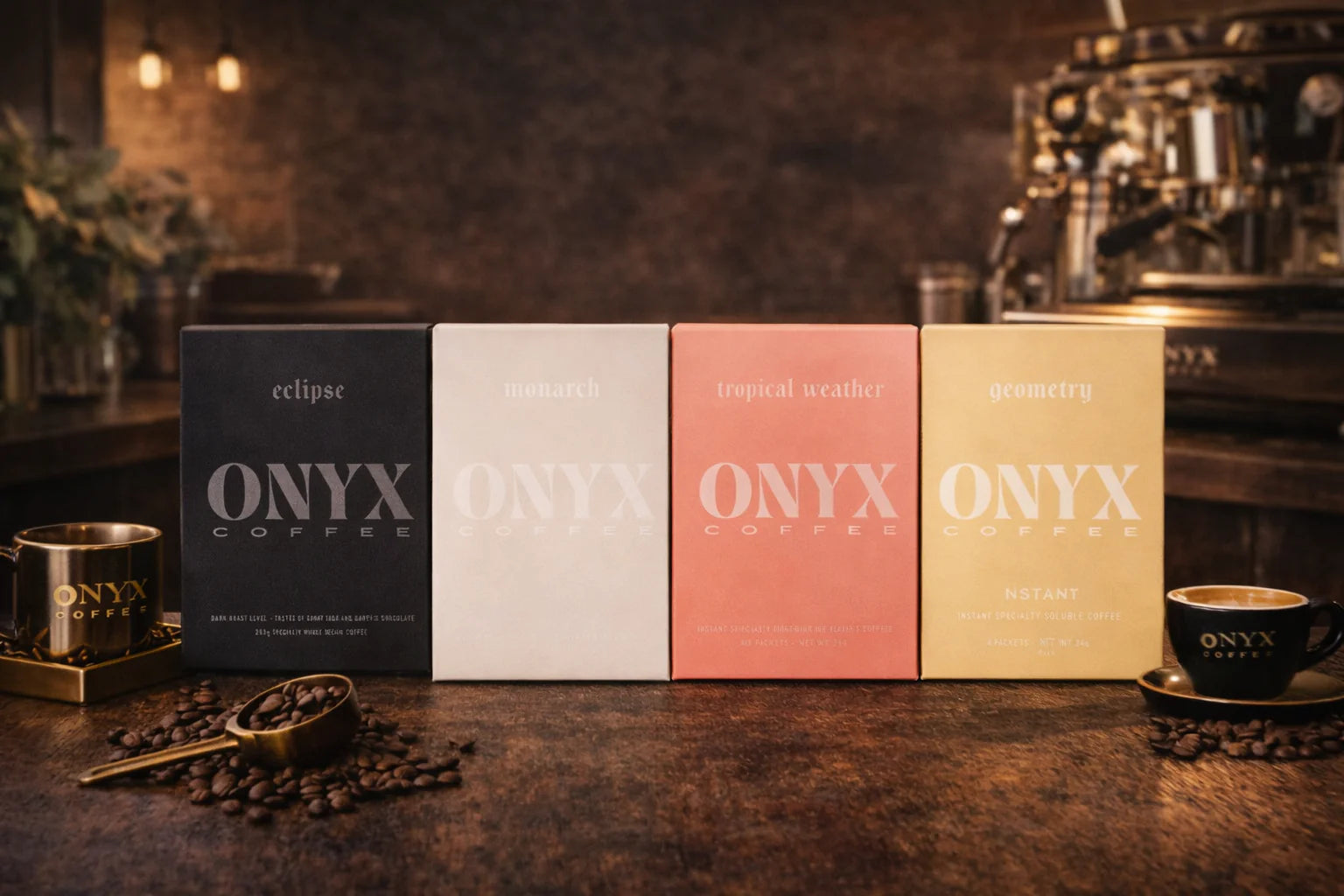
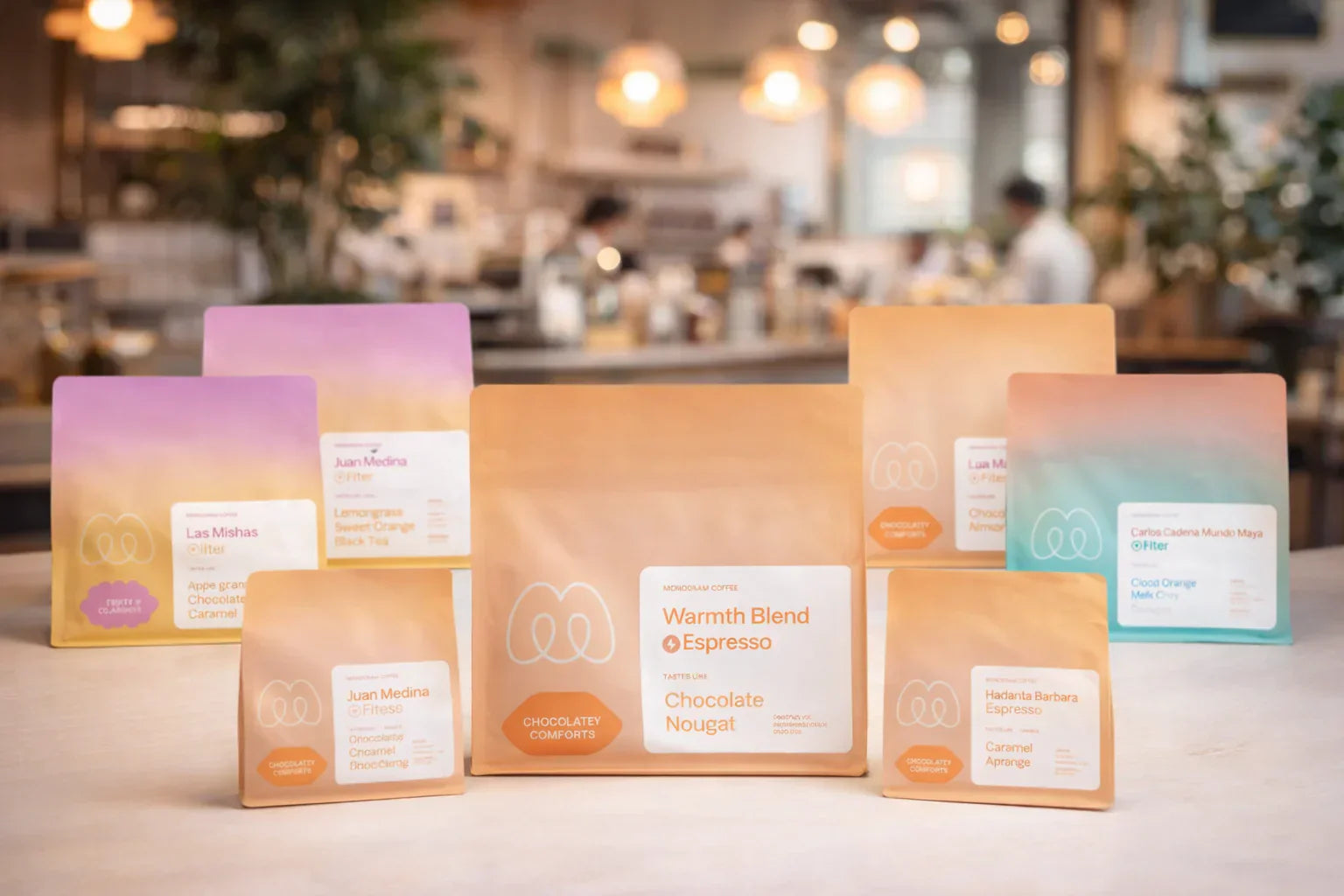
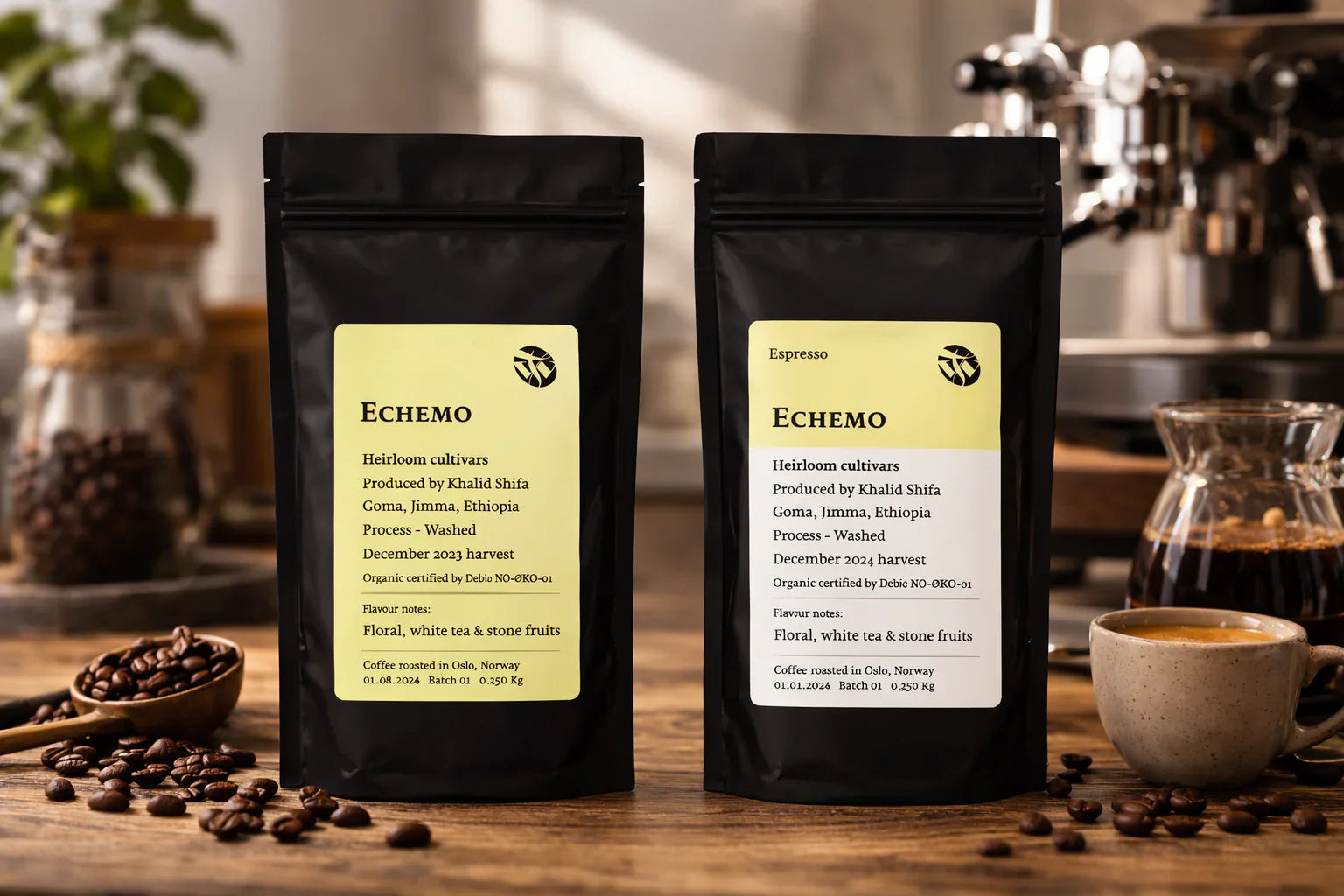
Two bags can carry the same farm name and still be intended for different drinks. One says filter, the other espresso. The useful question is what the roaster wants each version to do in the cup, rather than whether one label is inherently better.
The label describes an intended use
A filter roast is generally presented for methods such as pour-over or batch brew. An espresso roast is developed and evaluated with espresso preparation in mind. An omni-roast is offered for more than one method. These terms do not define a universal roast colour, temperature or development time, so there is no reliable rule that the difference is always a few extra seconds.
The distinction can be meaningful. Tim Wendelboe, for example, recommends its espresso-roasted coffees for espresso machines rather than its standard light-roasted selection. Other roasters explicitly offer coffees for both methods. Follow the recommendation for the particular bag instead of transferring one company’s approach to every roaster.
Different brewing conditions create different demands
Espresso uses a compact coffee bed and produces a concentrated beverage. Filter brewing commonly uses more water relative to coffee and can involve quite different flow and filtration. A roaster may adapt a profile to make a coffee easier to extract or to achieve a preferred balance in the intended drink.
That does not make espresso roast synonymous with dark roast. Nor does filter mean a coffee should taste sour. The outcome depends on the green coffee, the entire roast profile and preparation. Changes in development can affect flavour, but bean colour or a stopwatch alone cannot describe all those decisions.
Choose for the drink you want to make
For a straightforward home espresso, start with a bag recommended for espresso and use the supplied recipe if available. If you mostly drink cappuccinos, look for guidance about milk drinks as well as tasting notes. A delicate floral coffee can be interesting, but it may not deliver the same balance through milk as a coffee selected for that purpose.
For pour-over, begin with a filter recommendation and compare flavour descriptions. If you switch between methods, an omni-roast may be convenient, but expect to use different grind settings and recipes. Our espresso versus filter brewing guide explains the preparation differences.
Experiment without treating the label as a restriction
You can experiment with a filter roast in an espresso machine or an espresso roast in a dripper. Success depends on the coffee, grinder, equipment and the result you enjoy. The label is useful guidance, not a promise that every combination will be easy to dial in.
When trying a crossover, record dose, beverage yield and grind, then change one variable at a time. Judge balance and texture rather than forcing the coffee to match a fixed shot time or brew duration. If the cup is consistently harsh or sharply sour, revisit both the recipe and whether the chosen roast suits your preferences.
Read beyond one word on the bag
Origin, process, roast date and tasting notes still matter. Compare those details in our light-roast selection and medium-roast selection, then confirm the brew recommendation on the individual listing. Roast level and brew designation answer related but different questions.
Reference: Tim Wendelboe’s official roast and brew-method guidance. The practical selection advice here is editorial guidance, not a universal roasting standard.