Prodigal Coffee: Roaster Guide and Brewing Tips
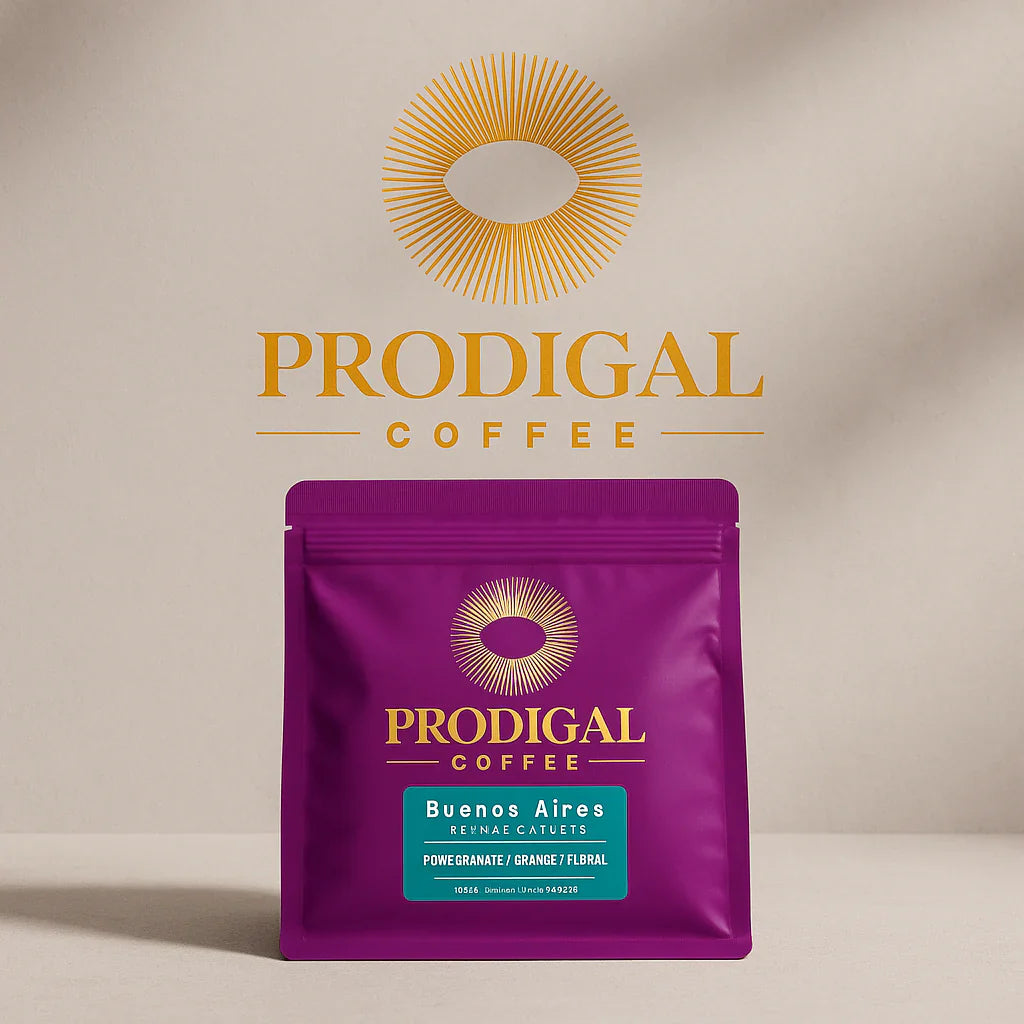
Prodigal Coffee connects roasting expertise with the practical work of making a satisfying cup. Scott Rao and Mark Benedetto bring different backgrounds to the project, while the changing selection gives home brewers several ways to explore their approach.
The team behind Prodigal Coffee
Prodigal’s official website introduces Scott Rao and Mark Benedetto. Scott is a coffee roaster, consultant and author whose books include The Coffee Roaster’s Companion and Coffee Roasting: Best Practices. His work focuses on roasting and brewing.
Mark trained as a chef before moving from cooking and café management into coffee roasting. After passing the Q Grader exam, he started Last Stand Coffee in San Francisco in 2017. He has also worked with Scott on coffee consulting and sample-roasting projects.
Understanding the roasting approach
Roasting develops the flavours in green coffee. Variables such as charge temperature, rate of temperature rise, airflow, heat application and development time help a roaster shape the final cup. The right balance depends on the coffee and the profile being sought.
For the person brewing at home, the most useful questions are practical: does the cup taste balanced, can you distinguish its flavours, and does it suit the way you like to drink coffee? Technical precision matters when it translates into an enjoyable and repeatable brewing experience.
Explore each lot on its own terms
Prodigal’s selection changes over time and includes single-origin coffees, blends and espresso offerings. No single flavour description applies to everything a roaster produces. Read the information for the specific lot you are considering.
- Origin: the country, region and producer information help place the coffee in context.
- Variety: this offers another clue to the coffee’s character, alongside growing conditions, processing and roasting.
- Processing: washed, natural and anaerobic descriptions refer to how the coffee was handled after harvest.
- Tasting notes: use these to compare fruit, floral, chocolate or other flavour impressions and find a profile that appeals to you.
Rare varieties and experimental processing can offer interesting discoveries, but rarity alone does not determine whether you will enjoy a coffee. Your preferences and brewing method are equally useful guides.
What to look for in the cup
When tasting a coffee, consider sweetness, acidity, bitterness, texture and finish. Aromatic clarity describes how easily you can distinguish flavours, while complexity refers to the range of impressions you notice, sometimes changing as the cup cools.
A fruity tasting note does not automatically mean a coffee will be intensely acidic. Floral notes can also be subtle. Treat the listed notes as a starting point for exploration rather than a promise that every brewing recipe will taste identical.
Brewing Prodigal at home
Start with the roaster’s brewing recommendations when available. Record your coffee dose, water quantity and grind setting so you can compare results. A scale makes this easier and helps you repeat a recipe you enjoy.
If the result needs adjustment, change one variable at a time. A recipe that works well for one lot may need a different grind setting or ratio for another. Filter brewing and espresso can reveal different aspects of the same coffee, so choose the method that fits your preferences.
Discover Prodigal at SpecialityCoffee.ca
Our selection brings together roasters with different perspectives on coffee. Prodigal offers an opportunity to explore an approach informed by its team’s experience in roasting and preparation.
Check the available product pages for each coffee’s origin, process and tasting notes. Whether you prefer a delicate cup or a more expressive profile, choose a lot that you will enjoy preparing and sharing.
Sources and further reading: Prodigal: team and current coffees.