Even Coffee: Montréal’s Mile-Ex Roastery, Single Origins and Brewing Guide
Some coffees fit naturally into your morning routine. Others make you stop, take another sip and wonder how a coffee can suggest flowers, grapes or tropical fruit. Even Coffee gives you room for both experiences. This Montréal specialty coffee roaster brings together approachable washed coffees, expressive Ethiopian naturals and small-format Panamanian Gesha lots, with plenty to discover between the first aroma and the final sip.
This guide introduces the people and ideas behind Even, then explores the seven coffees listed in our collection when it was written. Whether you want a sweet espresso, a fragrant filter coffee or a special tasting to share, the most useful starting point is your own preference. Explore our Even Coffee collection as you read, and check individual product pages for current availability.
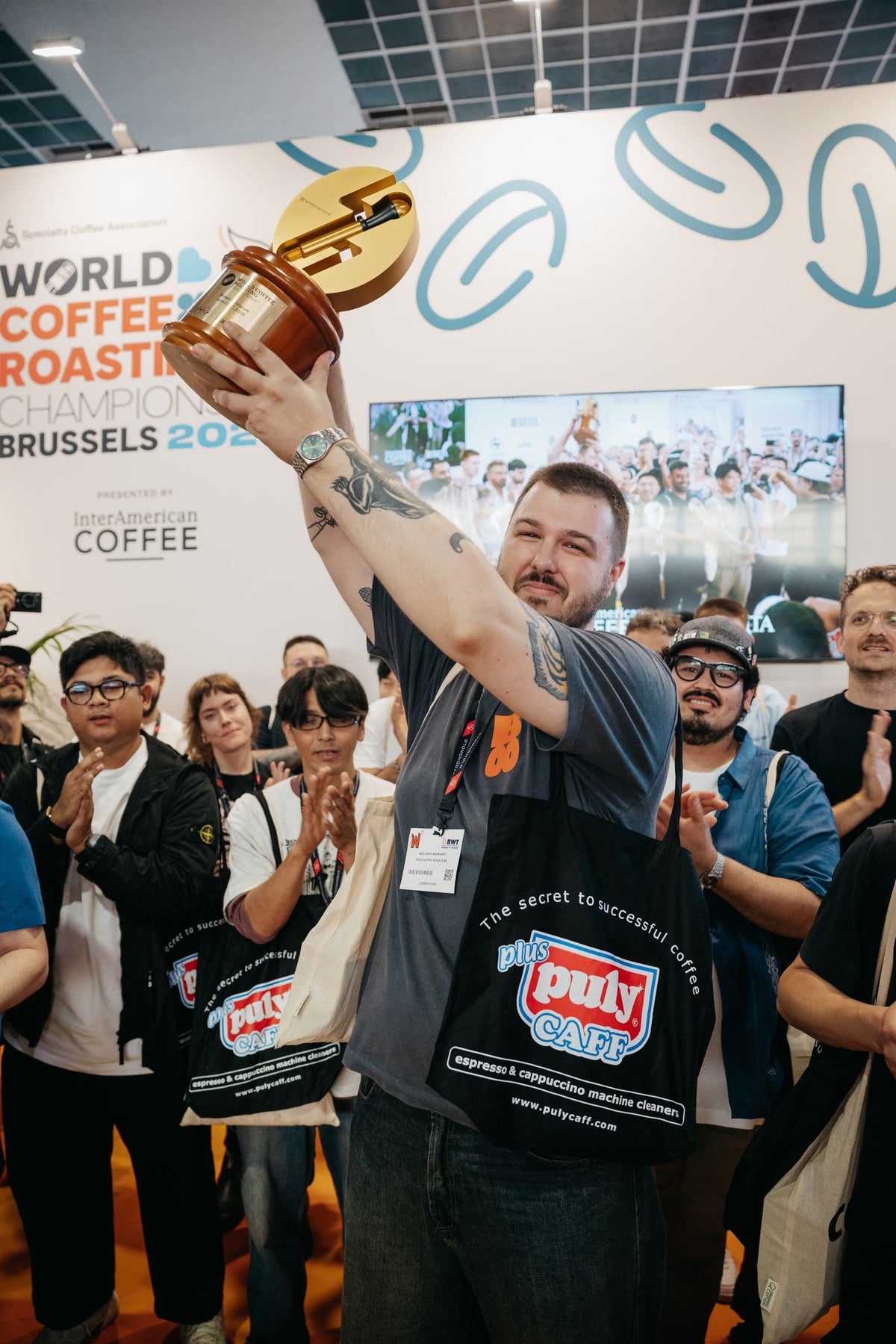
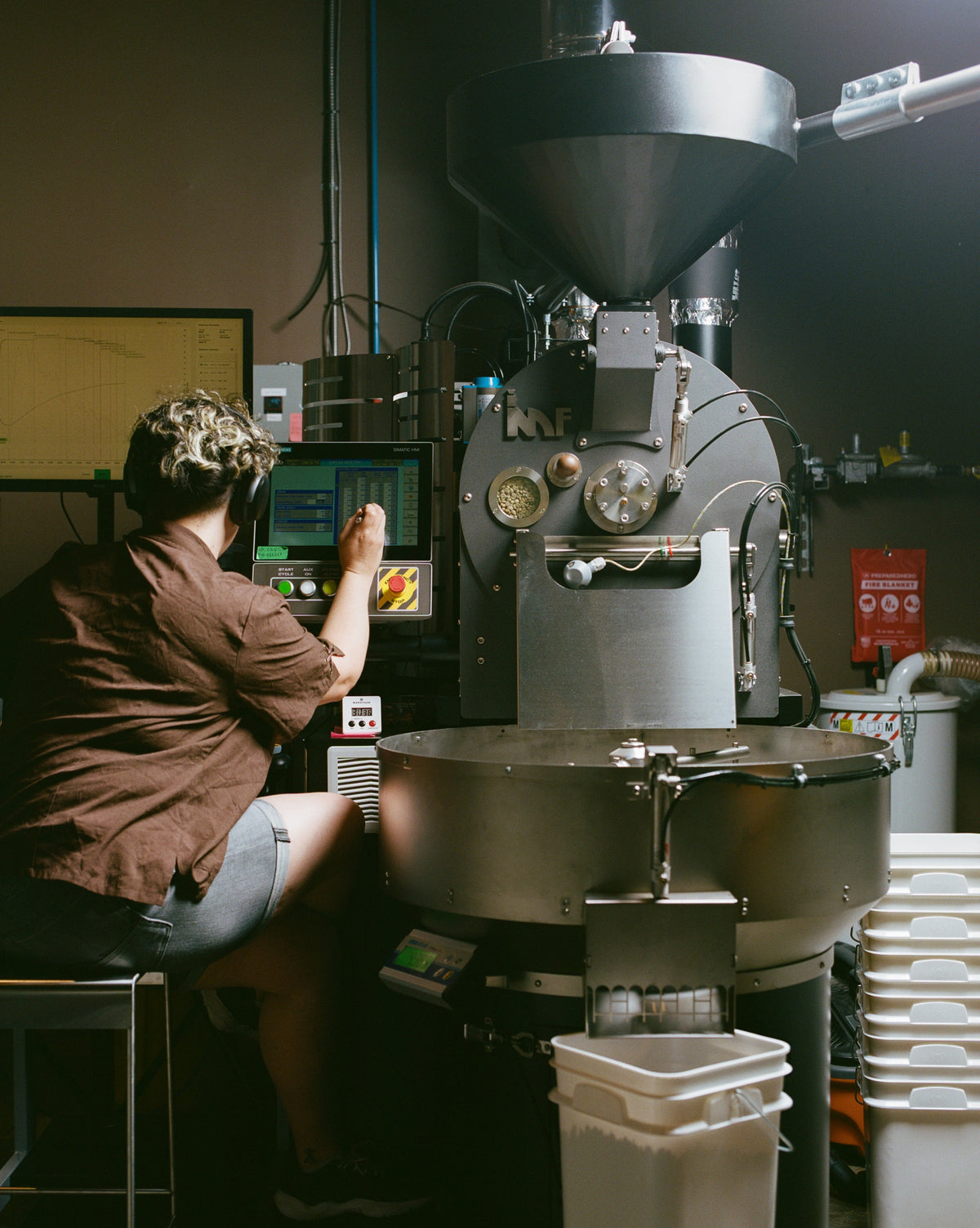
Photo : Even Coffee.
The story of Even Coffee: a Montréal home for coffee discovery
Even Coffee is a Montréal micro-roastery founded by Andrew Werbowyj. Its official introduction connects coffee quality with the relationships between producers, exporters, importers and the roasting team. The stated roasting goals are clarity, sweetness and balance. That gives the brand a clear point of reference, while leaving space for very different coffees within its selection.
In an October 2026 interview with MTPak Coffee, Werbowyj traces his path through Toronto, roasting work in Berlin and his earlier Not Even Coffee project. Even’s Mile-Ex café opened in late 2024. He describes it as a place to present the roastery’s work directly to customers, with hospitality forming part of the experience.
A café designed around the coffee ritual
Future Simple Studio’s project account describes an interior commissioned in 2024, with cork, a concrete counter and a translucent partition offering glimpses of the roasting space. The café encourages people to linger and connect. Its listed address is 267 Rue Saint-Zotique Ouest in Montréal.
For a home brewer, that story provides context for the box on the kitchen counter. The next step is personal: choosing a coffee, finding a recipe that suits it and deciding when you most enjoy drinking it. You can approach Even through a familiar chocolate description or begin with something more unusual. Both are useful ways to discover a roaster.
What makes the Even Coffee selection interesting?
Several flavour directions within one collection
Our listings range from milk chocolate and hazelnut to violet, jasmine, grape and mango. They also identify distinct origins, varieties and processing methods. El Huabal and Carmelita Aduviri offer washed coffees suitable for espresso and filter; the Ethiopian ALO selections and Panamanian Gesha lots are listed as light roasts for filter brewing.
That distinction helps you shop with a purpose. If your priority is a reliable coffee for two brewing methods, begin with the washed selections from Peru or Bolivia. If you enjoy sitting down with a black coffee and following its changing aromas, the Ethiopian lots offer another direction. The Geshas invite a more focused tasting, particularly when you are curious about individual processing choices.
Read the lot, then choose the experience
The roaster’s name is only one part of the decision. Read the producer, process, tasting notes and bag size together. A 100 g Gesha and a 250 g everyday coffee serve different needs, even when both appeal to you. A smaller bag can suit a weekend tasting; a larger format gives you more room to adjust your recipe over several mornings.
We have not tasted these coffees for this article. The suggestions below interpret the profiles in our product listings, so use them as a buying guide rather than a promise of exactly what will appear in your cup. Your brewing method and preferences will help you decide which descriptions matter most.
Which Even coffee should you try first?
| If you enjoy… | A starting point | Listed flavour direction |
|---|---|---|
| Chocolate with a brighter fruit accent | El Huabal | Milk chocolate, citrus, cherry |
| Nutty sweetness and gentle fruit | Carmelita Aduviri | Hazelnut, pear, raisin |
| Floral coffee with grape-like sweetness | ALO Murgo Mirriga | Violet, Concord grape, spring honey |
| Strawberry and a wine-like impression | ALO Chilaka Anaerobic | Lilac, strawberry, Beaujolais Nouveau |
| Delicate floral Gesha | Lost Origin x Las Margaritas #258 | Jasmine, white grape, peach, lemon candy |
| Tropical fruit in a special tasting | Lost Origin x Las Margaritas #226 | Violet, passion fruit, mango, raspberry jam |
| A more pronounced fermented-fruit profile | Lost Origin x Las Margaritas #234 | Pineapple, black cherry, apricot yogurt, dark honey |
At the time of checking, #226 and #234 were sold out. They remain in this guide to explain the Las Margaritas series. Follow the collection for available lots rather than assuming that every coffee mentioned can currently be ordered. Seasonal selections and stock can change.
Explore Even Coffee’s washed coffees
El Huabal: Peruvian coffee for espresso and filter
El Huabal is a washed Peruvian coffee associated with Café Solidario members. Our listing places the growing elevation at 1,650–1,950 metres and describes a light-to-medium roast. Milk chocolate, citrus and cherry form its flavour profile, with a 250 g format and suitability for both filter and espresso.
We would put it near the top of the list for someone who wants one coffee to use across a home espresso machine and a filter brewer. The chocolate description offers a familiar reference, while the citrus and cherry notes give you something brighter to explore. If your usual coffee is very dark, expect to adjust your grinder and recipe rather than carrying every setting across unchanged.
For a simple tasting, prepare El Huabal black before adding milk to another cup. Ask which version you prefer and what happens to the balance of fruit and sweetness. You do not need to identify a particular cherry variety or citrus fruit. Recognising that you enjoy a rounded coffee with a little brightness is already useful information for your next order.
Carmelita Aduviri: hazelnut, pear and raisin from Bolivia
Carmelita Aduviri is a washed Caturra from Bolivia’s Caranavi region. The product is named Carmelita Aduviri, and our description identifies the producer as Carmela Aduviri. This 250 g coffee is listed as a light-to-medium roast for filter and espresso, with hazelnut, pear and raisin notes.
Consider it if nutty sweetness is usually what draws you to a bag. Compared with El Huabal’s chocolate-and-citrus description, Carmelita offers a different fruit vocabulary, moving toward pear and dried fruit. That makes the pair an appealing introduction to Even without immediately choosing the most experimental processing in the collection.
Use your preferred preparation first, then try the other method if you have the equipment. A coffee you particularly enjoy as espresso may reveal a different balance as filter. Keep a brief note of the recipe and your impression: sweeter, lighter, fuller or more fruit-led. Those broad observations often help more than trying to reproduce the exact words on the label.
Two Ethiopian ALO coffees to compare
ALO Murgo Mirriga: violet, grape and honey
ALO Murgo Mirriga is a naturally processed Ethiopian coffee from Murgo Station in Mirriga. Our listing identifies Tamiru Tadesse’s ALO Coffee, the 74158 variety and an elevation of 2,360–2,480 metres. The coffee is offered in a 250 g format, with a light roast intended for filter brewing.
Its violet, Concord grape and spring-honey descriptors make it a strong candidate for drinkers who enjoy floral aromatics alongside a generous fruit impression. We would suggest starting with a black filter preparation and giving the cup a little time to cool. Taste for the relationship between fragrance, fruit and sweetness before concentrating on any one named note.
Murgo Mirriga also gives you a useful comparison with the other ALO selection. Both listings name the same variety and describe high-elevation Ethiopian coffees, but they come from different stations and have different processing details. Enjoy the comparison as two individual lots. It cannot isolate one variable or prove that a particular flavour came exclusively from fermentation.
ALO Chilaka Anaerobic: strawberry with a wine-like accent
ALO Chilaka Anaerobic comes from Chilaka Station in Ethiopia’s Bensa area. Our description identifies the 74158 variety, elevations of 2,320–2,400 metres and 72 hours of anaerobic fermentation before raised-bed drying. It is listed as a light-roasted filter coffee in a 250 g bag.
Lilac, strawberry and Beaujolais Nouveau are the tasting descriptors. The wine reference describes a sensory impression; it should not be read as an ingredient statement. Choose this coffee if strawberry and floral notes appeal to you and you want to explore a different expression from Murgo Mirriga’s grape-and-honey profile.
For a shared tasting, prepare equal doses of the two coffees with the same brewer and water. Notice which feels more floral, which fruit impressions come forward and which finish you prefer. If one seems more intense, that does not automatically make it the better coffee for your routine. The most interesting bag and your favourite everyday bag can be different choices.
Lost Origin x Las Margaritas: three Panamanian Gesha lots
The Las Margaritas series offers a closer look at processing through three separately identified coffees. Our listings describe Gesha from the Navarro family’s Finca Las Margaritas in Panama, developed through Lost Origin Coffee Lab and Thibaut Paggen, identified in those listings as Even’s Director of Coffee. Each is a light-roasted filter coffee in a 100 g format.
Lot #258: washed Gesha with jasmine and peach
Lost Origin x Las Margaritas #258 is the washed selection. The product description records depulping followed by one day of fermentation at 15.1°C with LOY-014, then 17 days of controlled drying. Its listed notes are jasmine, white grape, peach and lemon candy.
This is our starting suggestion for someone drawn to a floral Gesha description with lighter fruit notes. Because the format is small, use a familiar brewer and a recipe you can repeat. You will have more opportunities to enjoy the coffee if you avoid changing your entire setup on the first cup.
Lot #226: violet and tropical fruit
Lost Origin x Las Margaritas #226 is a natural Gesha with a cold-fermentation process. Our listing describes whole cherries fermented for four days at 12.9°C with LOY-012, followed by 25 days of controlled drying. Violet, passion fruit, fresh mango and raspberry jam define the listed flavour direction.
Although sold out when this guide was prepared, it is useful context for the series. Compared with #258’s jasmine-and-white-grape description, #226 points toward a more tropical-fruit experience. If it returns, consider it for a tasting built around those preferences, and confirm that the offered lot matches the one described here.
Lot #234: pineapple, black cherry and a lactic impression
Lost Origin x Las Margaritas #234 is another natural Gesha. The listed process uses five days of whole-cherry fermentation at 18.8°C with LOY-013, followed by 25 days of controlled drying. Pineapple, black cherry, apricot yogurt and dark honey are its tasting descriptors.
This lot was also sold out at the time of checking. Its description makes it the most obvious of the three to shortlist for someone specifically seeking a pronounced fermented-fruit character. The yogurt reference communicates a tasting impression, not evidence of dairy added to the coffee. As with any sensory description, start with the broader balance you perceive.
How to approach the series
If several lots become available together, keep your preparation consistent and compare them without trying to rank them immediately. Ask which aroma you find most inviting, which cup you would drink slowly and which you would choose again. The processing records provide context, but these are separate lots rather than a controlled experiment proving a single cause for every difference.
Brewing Even Coffee at home
Begin with a repeatable filter recipe
For the filter selections, an optional starting point is 15 g of coffee to 250 g of water, using your normal filter grind. This is our general suggestion, not an official Even recipe. Keep the dose and water quantity steady for the first few brews, and adjust the grind in small steps according to taste.
Taste the coffee warm and again as it cools. Record whether you want more sweetness, a fuller texture or a gentler finish. If the cup feels harsh, try a slightly coarser grind; if it tastes thin and sharply sour, try a little finer. These are starting adjustments, not universal diagnoses, and the brewer’s own guidance remains useful.
Give espresso its own setup
El Huabal and Carmelita Aduviri are the two listings explicitly suited to espresso as well as filter. Use a dose that fits your basket, weigh the beverage and keep notes. An initial ratio around one part dry coffee to two parts espresso by weight can provide a reference, then taste and adjust.
For milk drinks, keep the milk quantity consistent while choosing between coffees. A small cappuccino and a large latte can give very different impressions of the same espresso. If your goal is a dependable morning drink, judge the coffee in the drink you actually make most often.
Make a small bag last through several useful tastings
A 100 g bag provides roughly six 15 g doses, with a little coffee remaining before grinder retention or adjustments. Plan accordingly if you want to share a Gesha. A scale and a familiar recipe help you spend more of the bag enjoying the coffee and less of it making avoidable changes.
Keep beans sealed, dry and away from heat and direct light. Check the roast date on the actual bag and follow any lot-specific guidance. We do not assign one universal resting period to the whole collection: espresso, filter preparation and the individual roast may respond differently over time.
Even Coffee: frequently asked questions
Where is Even Coffee based?
Even is a Montréal specialty coffee micro-roastery with a café in Mile-Ex. It was founded by Andrew Werbowyj, and its café address is 267 Rue Saint-Zotique Ouest.
Which Even coffee should I choose for espresso?
Start with El Huabal or Carmelita Aduviri. Both are listed for espresso and filter. Choose El Huabal for chocolate, citrus and cherry descriptors, or Carmelita for hazelnut, pear and raisin.
Which coffees are best suited to floral filter preferences?
Our starting suggestions are ALO Murgo Mirriga, ALO Chilaka Anaerobic and Las Margaritas #258. Their listed floral notes differ, so compare the accompanying fruit descriptions as well.
Are all Even coffee bags the same size?
No. The two ALO coffees, El Huabal and Carmelita Aduviri are listed at 250 g. The three Las Margaritas Gesha lots are listed at 100 g. Check the product page before ordering.
Can I buy every coffee mentioned in this guide?
Availability changes. Lots #226 and #234 were sold out when checked; the other five had stock. Use the current collection and product pages for the selection available to order today.
Where can I buy Even Coffee online?
Browse Even Coffee at Speciality Coffee Canada. Compare origins, processing methods, bag sizes and flavour profiles to choose the coffee that fits your next brewing session.
Find your own starting point with Even
Begin with a flavour you already enjoy, then let a second coffee introduce something new. El Huabal and Carmelita provide approachable ways into the range; the ALO coffees invite a floral, fruit-led comparison; the Las Margaritas series offers a more focused Gesha exploration. Choose for the cup you want to drink, and give yourself time to discover it.
Explore our Even Coffee collection.
History and product information checked on November 7, 2026. Coffee descriptions refer to the listed lots; selection, stock and lot details may change. Brewing suggestions are editorial starting points.