Boo Coffee Roasters: Brussels, a World Champion and Your Coffee Guide
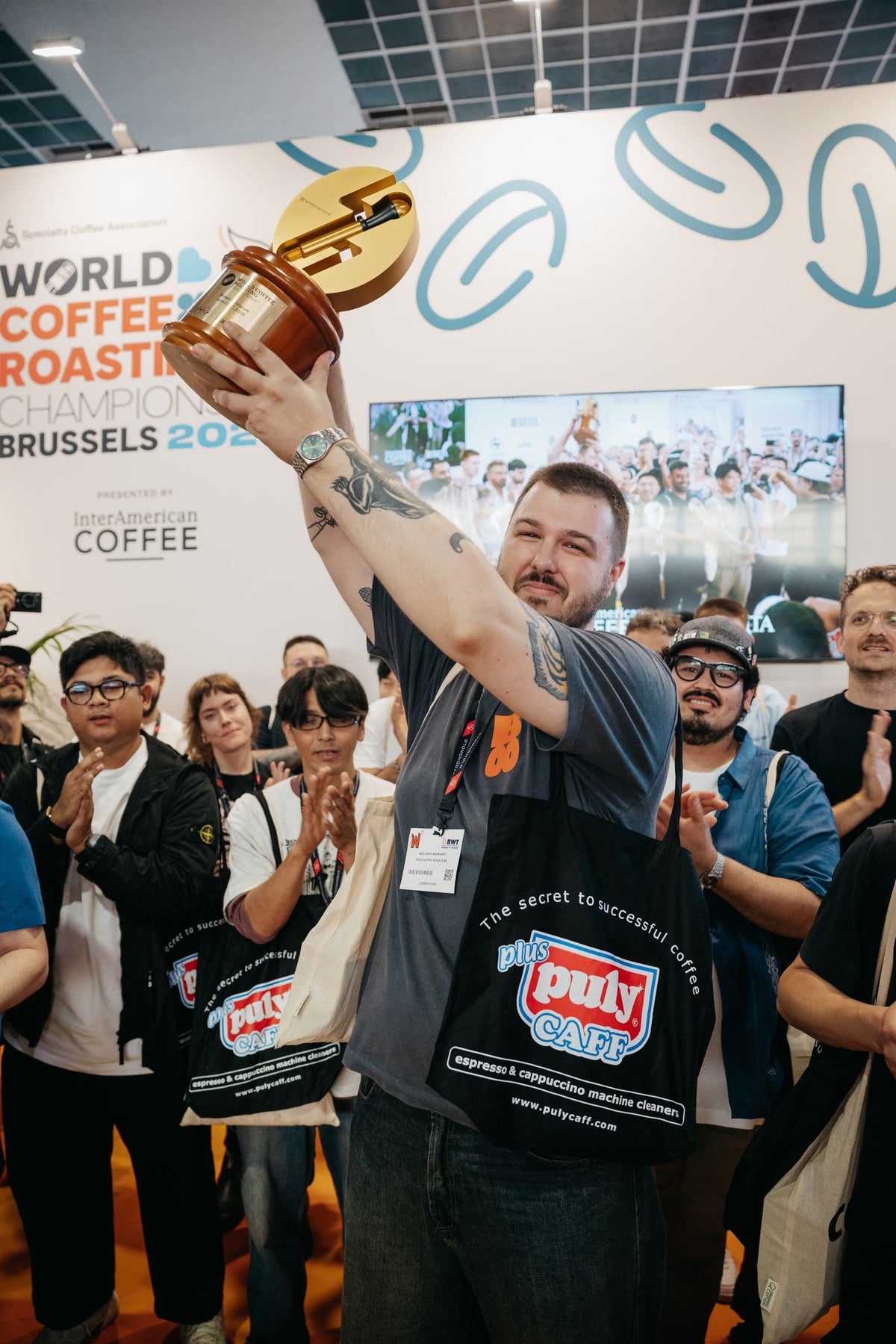
Photo: Boo Coffee Roasters. Benjamin Brassart celebrating his 2026 world roasting title.
A comforting espresso and a delicate, fragrant filter coffee can tell very different stories. Boo Coffee Roasters makes room for both. Based in Brussels, the Belgian specialty coffee roaster brings together everyday blends, seasonal discoveries and a team with a world roasting title to its name.
This guide introduces the people behind Boo, explains the championship connection and helps you choose from our Boo Coffee Roasters collection in Canada. Start with the drink you love, then follow the origins and processes that make you curious.
Boo Coffee Roasters: a meeting in Brussels
Boo began in 2024, after Benjamin and Benoit met while working at a Brussels café in 2022. They discussed opening a roastery during a visit to World of Coffee in Athens in 2023. Benjamin came from advertising and hospitality; Benoit’s route included accounting and café work abroad, including Canada. Today, their roastery is based in Anderlecht. In its official story, Boo describes carefully chosen producer and importer relationships, with attention to quality and fairness.
That international path gives Canadian coffee lovers an inviting point of connection. A roaster based in Belgium can introduce you to a Costa Rican family farm or a Colombian producer, with the coffee travelling through several skilled hands before reaching your kitchen. The most useful way to explore that journey is to read beyond the brand name: look for the particular origin, process and intended brewing method.
Benjamin Brassart: 2026 World Coffee Roasting Champion
Boo also records Benjamin’s Belgian roasting title in 2025 and Benoit’s Belgian AeroPress title in 2024. These are different disciplines: roasting concerns the development of the beans, while AeroPress competition centres on preparing a drink. Together, they add an interesting dimension to the founders’ story.
For the home brewer, the world title is a reason to pay attention to the person behind the roast. Your own preferences still guide the purchase. Someone who loves a rich cappuccino and someone seeking a citrus-led pour-over may choose different bags from the same roaster. The guide below connects Boo’s selection with those everyday decisions.
How to read Boo’s coffee range
Choose the drink before the origin
Begin with how you usually prepare coffee. Espresso blends are a useful starting point for a household that makes lattes each morning. A lighter filter selection gives a pour-over enthusiast another direction to explore. Then consider the tasting notes: chocolate and caramel, stone fruit, citrus or tea. These descriptions are a vocabulary for choosing, rather than a test you need to pass when tasting.
Follow the full name of the lot
A farm name alone does not identify everything in the bag. The two Los Campos releases below have different processes and brewing intentions. Comparing them is an opportunity to notice how the same farm can offer more than one expression. Because the lots also differ in composition and roast, the comparison cannot isolate processing as the only cause of flavour differences.
Seasonal coffees change. Use this article as an introduction to the selection, and check each product page for the current lot, roast date and availability before ordering.
Which Boo coffee should you try first?
| Your usual preference | Start here | Listed flavour direction |
|---|---|---|
| Chocolate-led espresso and milk drinks | Moonlight | Chocolate, caramel, brown sugar |
| A sweet blend with a fruit accent | Sunlight | Milk chocolate, marzipan, orange zest |
| Rounded, fruity filter coffee | Los Campos Natural | Plum, cherry, dark chocolate |
| Bright, tea-like filter coffee | Raro | Dried apricot, lemonade, Earl Grey |
| A fruit-led seasonal espresso | Los Campos White Honey | Apricot jam, mandarin, pear |
| A seasonal filter discovery | Sweet Treat | Baked apple, cardamom bun, cherry |
These suggestions are based on the product descriptions in our store. They are starting points for shopping, not a ranking: the most interesting coffee is the one that fits what you want to drink.
Explore six Boo coffees
Sunlight: an approachable blend with a brighter side
Sunlight Blend pairs Brazil and Ethiopia through natural processing. Its milk-chocolate and marzipan notes meet orange zest and dried berries. Consider it when you want familiar sweetness with a fruit accent. It is an inviting first bag for someone moving from a predominantly chocolate-led blend toward a more expressive cup.
Moonlight: depth for the espresso ritual
Moonlight Blend combines natural Brazilian coffee with washed Guatemalan coffee. Our listing describes a dark espresso roast with chocolate, caramel and brown sugar. We would choose it first for a cappuccino or latte, or for someone who prefers a fuller espresso with restrained acidity. Compare it with Sunlight to decide which blend better suits your morning routine.
Los Campos Natural: fruit and chocolate for filter
Los Campos Natural comes from the Ramirez-Navarro family in Costa Rica. This naturally processed field blend includes several varieties and is listed for filter brewing. Red plum, cherry, gooseberry and dark chocolate give you a useful tasting direction. Try it if you enjoy fruit-led coffee with a deeper chocolate note in the finish.
Raro: a fragrant Ethiopian washed coffee
Raro is a washed selection from Uraga, Guji, processed at Raro Boda Wet Mill. Its light roast and notes of dried apricot, lemonade, berries and Earl Grey make it a tempting choice for black filter coffee. Taste it as it cools and notice whether the citrus, fruit or tea impression becomes more apparent.
Los Campos White Honey: the seasonal espresso
Los Campos Seasonal Espresso is a separate Costa Rican lot made from Red and Yellow Catuai using white honey processing. Listed notes include apricot jam, mandarin, pear and tonka bean. Choose this version when you want to explore Los Campos through espresso. Be sure to select the white honey listing rather than the natural filter release.
Sweet Treat: Colombia’s autumn edition
Sweet Treat is a semi-washed Pink Bourbon from María Belén Díaz and Narciso Narváez at Resinas in Huila, Colombia. Listed for filter, it brings baked apple, cardamom bun, cherry and milk chocolate into its flavour description. It is an appealing seasonal choice for readers who enjoy sweet fruit and pastry-like tasting notes.
Brewing and tasting Boo coffee at home
Keep your first recipe simple
For filter coffee, a practical starting point is 15 g of coffee to 250 g of water, approximately a 1:16.7 ratio. Use a consistent pouring routine and weigh both ingredients. For espresso, start with the recipe on the individual product page: Moonlight and Los Campos White Honey have different suggested yields. A single recipe does not need to serve every coffee.
Treat time as a reference alongside taste. If a filter brew seems sharp and thin, a slightly finer grind may help; if it is drying or harsh, try a little coarser. Change one variable at a time so you can tell what helped. Grinder, water and brewer all influence the result, so use the same setup when comparing bags.
Try a small side-by-side tasting
Choose Raro and Los Campos Natural for two contrasting filter profiles, or Sunlight and Moonlight to explore the blends. Prepare equal amounts and let both cups cool a little. Write down three simple observations: which feels sweeter, which has more noticeable acidity and which has the fuller texture. Your own words are enough.
For milk drinks, keep the amount of milk consistent between coffees. A small cappuccino and a large latte can change how clearly you perceive the espresso underneath. Choosing a coffee and choosing the drink size are both part of finding a combination you enjoy.
Make freshness part of the routine
Check the roast date on the bag and the guidance on the product page. Store beans closed, away from heat, light and moisture, and grind only what you need for each brew. Buying an amount that suits your drinking pace makes it easier to explore a new roaster without keeping several open bags for too long.
Frequently asked questions about Boo Coffee Roasters
Where is Boo Coffee Roasters based?
Boo is based in Anderlecht, Brussels, Belgium. You can explore its coffees through our Canadian store.
Who is Boo’s world roasting champion?
Benjamin Brassart won the 2026 World Coffee Roasting Championship. The title belongs to the roaster; choose individual coffees according to your preferred flavour and brewing method.
Which Boo coffee is best for a latte?
Moonlight is our first suggestion for a chocolate-led latte. Sunlight is another option when a brighter fruit accent appeals to you.
Are the two Los Campos coffees the same?
No. The natural field blend is listed for filter, while the white honey Catuai lot is developed for seasonal espresso. Check the process as well as the name when ordering.
Where can I buy Boo coffee in Canada?
Visit our Boo Coffee Roasters collection to see the selection and current availability. For more roaster stories, read our Café Pista guide and Ditta Artigianale guide.