

Published by SpecialityCoffee.ca
Introduction: Why Coffee Quality Is Often Misunderstood
Many people believe they dislike coffee when, in reality, they have simply never tasted high-quality coffee. Bitterness, burnt flavors, and harsh aftertastes are often mistaken for “strong” or “good” coffee, when they are actually signs of poor quality or improper extraction.
Learning how to judge coffee quality empowers you to:
- Buy better coffee
- Brew with confidence
- Understand your own taste preferences
- Appreciate what specialty coffee offers
This beginner-friendly guide breaks down how to evaluate coffee quality step by step, without requiring professional training or expensive equipment.
What Defines High-Quality Coffee?
Quality coffee is defined by balance, clarity, and sweetness, not intensity or bitterness. In specialty coffee, quality is assessed across multiple dimensions, from aroma to finish.
At its core, good coffee should taste pleasant, clean, and expressive, even when served black.
Step 1: Check Freshness Before You Brew
Freshness is the foundation of quality.
What to Look For
- A clearly printed roast date
- Coffee used within 2–6 weeks of roasting
- Whole beans rather than pre-ground
Why Freshness Matters
As coffee ages, it loses aromatic compounds and sweetness. Stale coffee tastes flat, dull, and lifeless — no matter how well it is brewed.
If coffee smells muted or papery when dry, quality has already declined.
Step 2: Evaluate Aroma (Dry and Wet)
Aroma provides the first and most revealing indicator of coffee quality.
Dry Aroma
Smell the freshly ground coffee before brewing. High-quality coffee often reveals:
- Floral notes
- Fruit sweetness
- Chocolate, caramel, or nutty tones
Wet Aroma
After brewing, inhale deeply. Good coffee smells inviting and complex, not harsh or smoky.
A flat or unpleasant aroma usually signals low quality, poor roasting, or staleness.
Step 3: Assess Acidity (Not Sourness)
Acidity in coffee is frequently misunderstood. In quality coffee, acidity adds brightness and liveliness, not sharpness.
Positive Acidity Feels Like
- Citrus zest
- Apple or stone fruit
- Sparkling or juicy sensation
Negative Acidity Tastes Like
- Vinegar
- Sour candy
- Sharp, biting unpleasantness
Balanced acidity lifts the cup without overwhelming it.
Step 4: Look for Sweetness
Sweetness is a hallmark of high-quality coffee.
Natural Coffee Sweetness
Sweetness in coffee does not come from sugar, but from properly developed sugars during roasting and balanced extraction.
Quality coffee often tastes like:
- Honey
- Brown sugar
- Ripe fruit
- Milk chocolate
If coffee tastes only bitter or acidic, sweetness is missing — usually due to poor quality beans or incorrect brewing.
Step 5: Evaluate Body and Mouthfeel
Body refers to how coffee feels in your mouth.
Types of Body
- Light: tea-like and delicate
- Medium: smooth and rounded
- Full: rich and creamy
High-quality coffee feels pleasant and appropriate to its style, not thin or watery unless intentionally so.
Step 6: Judge Balance
Balance is the relationship between acidity, sweetness, and bitterness.
A balanced coffee:
- Has no single overwhelming element
- Feels harmonious and complete
- Is enjoyable from first sip to last
Imbalanced coffee often tastes:
- Too sour (under-extracted)
- Too bitter (over-extracted)
- Flat and dull (stale or low quality)
Step 7: Pay Attention to Finish
The finish is the lingering taste after swallowing.
Signs of a Good Finish
- Clean
- Pleasant
- Slightly sweet
- Invites another sip
Signs of a Poor Finish
- Harsh bitterness
- Dry, astringent sensation
- Ashy or burnt aftertaste
High-quality coffee leaves a positive memory, not discomfort.
Step 8: Identify Flavor Clarity
Flavor clarity refers to how easily you can identify distinct tasting notes.
In quality coffee:
- Flavors feel clean and defined
- Notes do not blur together
- You can describe what you taste with confidence
Muddy or confusing flavors often indicate defects or poor roasting.
Common Coffee Quality Myths (Debunked)
“Dark Roast Means Better Coffee”
Dark roast often masks defects with roast bitterness. Lighter roasts reveal quality more honestly.
“Strong Coffee Is Good Coffee”
Strength refers to concentration, not quality. Strong coffee can still be low quality.
“Milk Fixes Bad Coffee”
Milk hides defects but does not improve quality. Good coffee tastes good on its own.
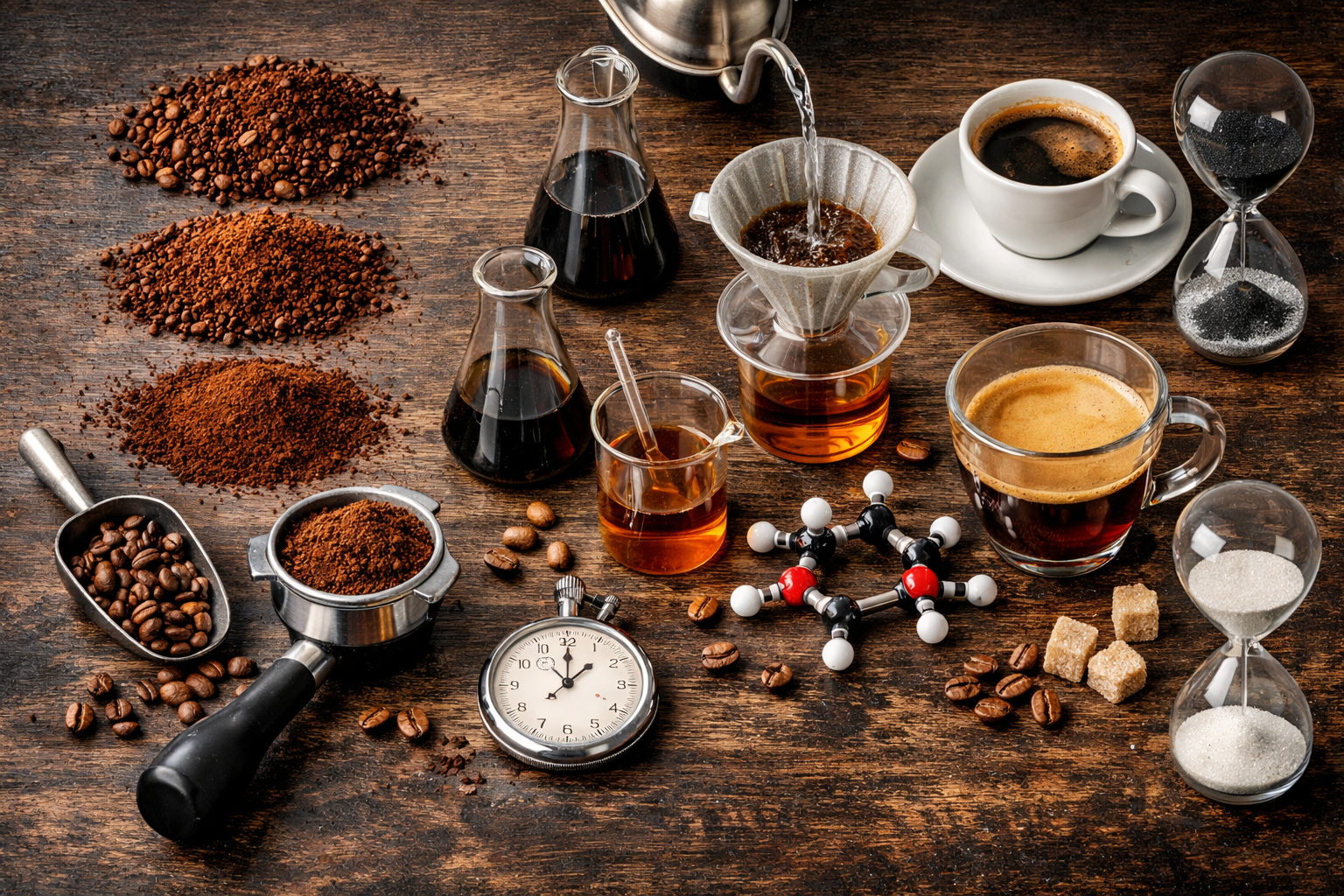
How Brewing Affects Perceived Quality
Even excellent coffee can taste poor if brewed incorrectly.
Key brewing variables:
- Grind size
- Brew ratio
- Water temperature
- Brew time
Quality assessment should always assume proper brewing.
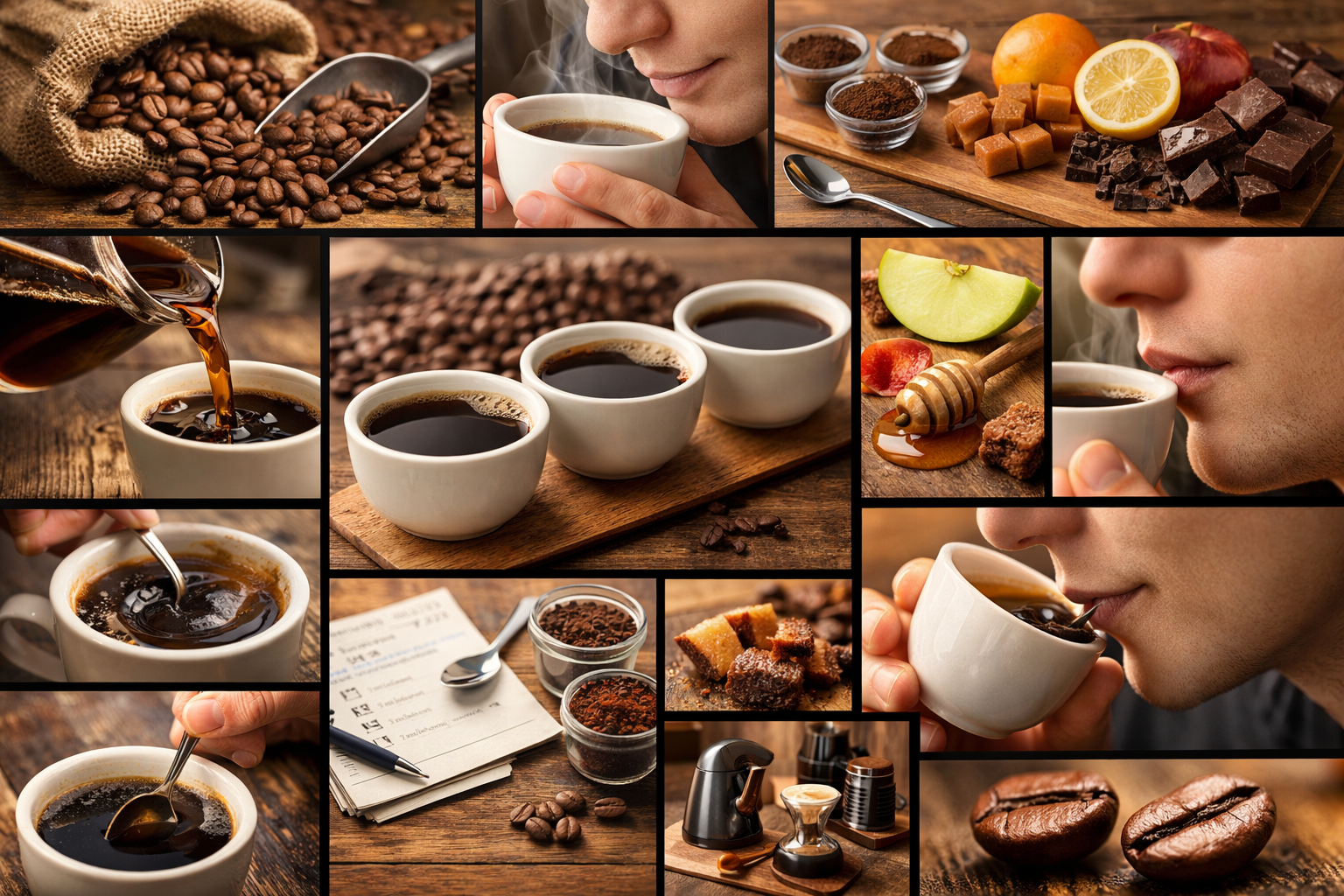
How to Train Your Palate Over Time
You do not need professional training to improve your tasting ability.
Simple steps:
- Taste coffee black before adding milk or sugar
- Compare different origins side by side
- Take notes, even casually
- Focus on one attribute at a time
With practice, quality becomes easier to recognize.
Why Specialty Coffee Makes Quality Easier to Identify
Specialty coffee is:
- Scored for quality
- Transparently sourced
- Freshly roasted
- Designed to showcase flavor, not hide defects
This makes it easier for beginners to learn what good coffee actually tastes like.
Final Thoughts: Quality Is About Balance, Not Complexity
High-quality coffee does not need to be complicated or extreme. At its best, coffee should taste:
- Sweet
- Balanced
- Clean
- Enjoyable
Learning how to judge coffee quality transforms coffee from a habit into an experience — and helps you make better choices with every purchase.