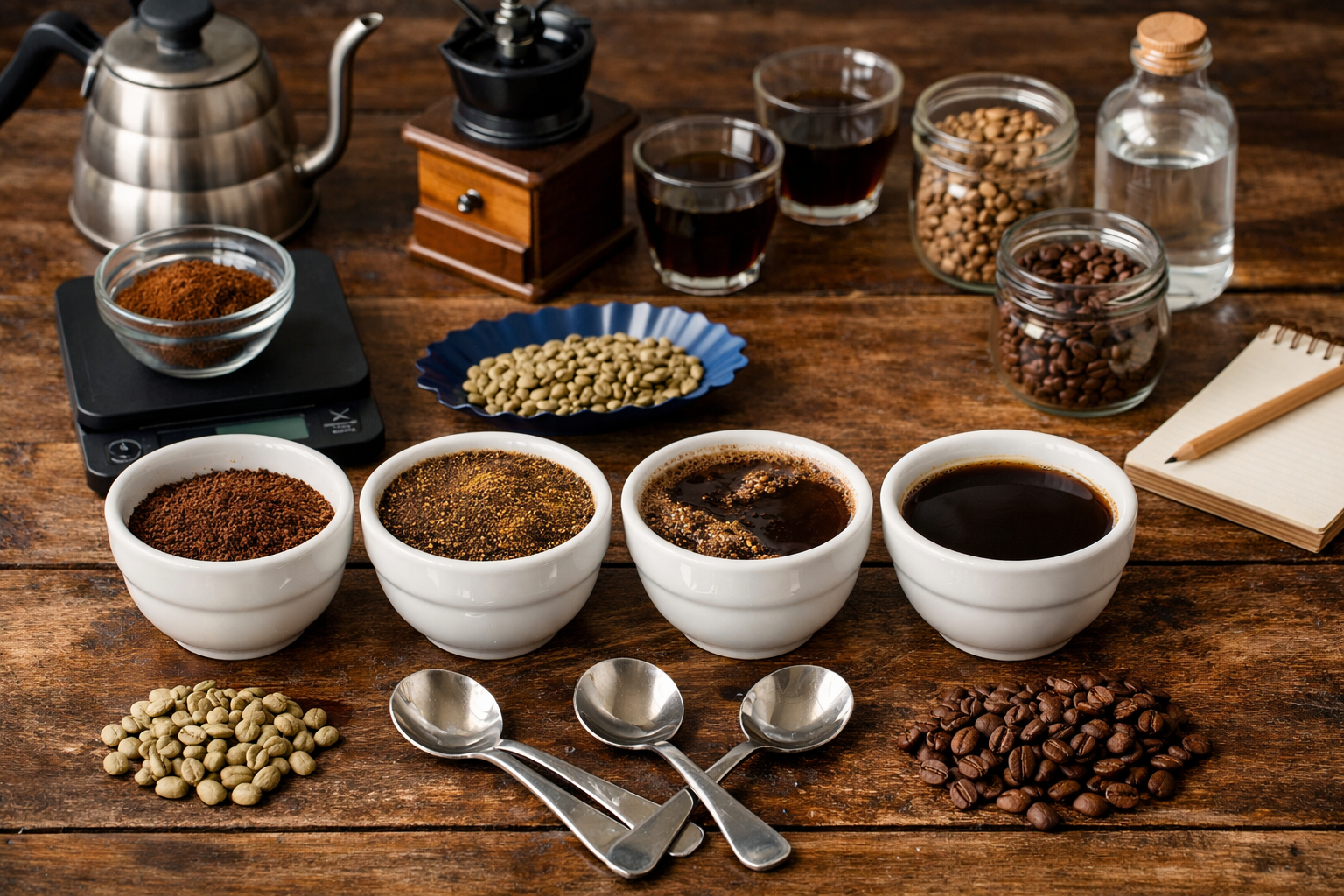


Published by SpecialityCoffee.ca
Introduction: Coffee Flavor Starts Long Before Roasting
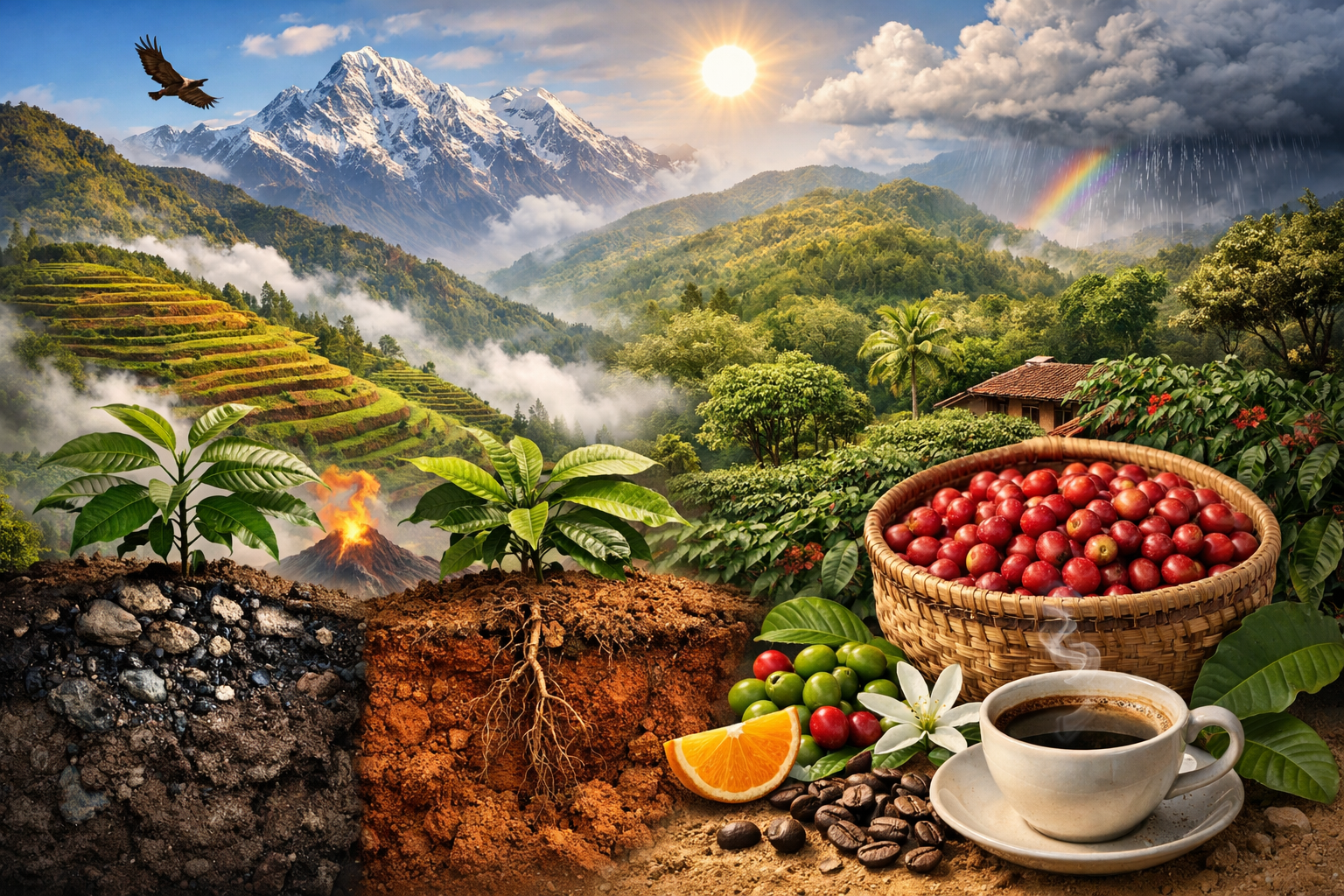
Coffee flavor is not created in the roaster alone. Long before roasting or brewing, flavor is shaped at origin by altitude, soil composition, climate, and farming conditions. These environmental factors form what is known as terroir — the same concept used in wine to explain why grapes from different regions taste distinct.
Understanding how altitude, soil, and climate affect coffee flavor helps coffee drinkers make more informed choices and explains why specialty coffee tastes so different from commodity coffee.
What Is Terroir in Coffee?
Terroir refers to the natural environment in which coffee is grown. It includes:
- Elevation
- Soil chemistry
- Rainfall patterns
- Temperature ranges
- Sun exposure
In specialty coffee, terroir is celebrated rather than neutralized. High-quality roasting preserves these characteristics instead of masking them.
How Altitude Affects Coffee Flavor
Slower Cherry Maturation
At higher elevations, cooler temperatures slow the development of coffee cherries. This extended maturation allows beans to:
- Develop more complex sugars
- Become denser
- Produce brighter acidity
Typical Altitude Ranges
- Low altitude (below 1,200 m): heavier body, muted acidity
- Mid altitude (1,200–1,600 m): balanced sweetness
- High altitude (1,800 m+): vibrant acidity, complex aromatics
Flavor Impact of High Altitude Coffee
High-altitude coffees often display:
- Citrus or stone fruit acidity
- Floral aromas
- Clean, structured finishes
This is why many of the world’s most prized coffees come from high elevations.
The Role of Soil in Coffee Flavor
Volcanic Soil
Found in regions such as Ethiopia, Guatemala, and Costa Rica, volcanic soil is rich in minerals and contributes to:
- Enhanced sweetness
- Clean acidity
- Mineral-driven complexity
Clay-Rich Soil
Clay soils retain water and nutrients, often producing coffees with:
- Fuller body
- Deeper sweetness
- Chocolate or nutty tones
Soil Drainage and Root Health
Well-draining soil prevents root stress and allows coffee plants to absorb nutrients efficiently, resulting in healthier plants and better cup quality.
Climate: The Delicate Balance Coffee Needs
Coffee thrives within a narrow climate window.
Temperature
Arabica coffee grows best between 18–22°C. Excessive heat accelerates cherry development, reducing sweetness and complexity.
Rainfall
Balanced rainfall is essential:
- Too little causes plant stress
- Too much leads to disease and inconsistent fermentation
Seasonal rainfall patterns strongly influence harvest quality.
How Microclimates Create Unique Flavor Profiles
Even within a single region, microclimates can vary dramatically due to:
- Shade coverage
- Wind exposure
- Valley positioning
- Sun orientation
These differences explain why two farms located only kilometers apart can produce very different coffees.
Climate Change and the Future of Coffee Flavor
Climate change presents a serious challenge to specialty coffee:
- Rising temperatures reduce suitable growing areas
- Unpredictable rainfall disrupts harvest cycles
- Increased pests and diseases threaten quality
As a result, coffee producers are:
- Moving to higher elevations
- Experimenting with new varieties
- Adjusting processing methods
Consumers may notice more variation — and more scarcity — in the future.
Why High-Quality Roasting Preserves Terroir
Roasting can either:
- Reveal origin characteristics, or
- Mask them entirely
Specialty roasters typically roast lighter to preserve:
- Acidity
- Sweetness
- Origin clarity
Over-roasting erases terroir, making different coffees taste similar.
How Brewing Impacts Terroir Expression
Brewing method influences how terroir is perceived:
- Pour-over emphasizes clarity and acidity
- Espresso concentrates sweetness and structure
- French press enhances body and mouthfeel
Proper grind size and extraction are essential to expressing origin character.
How to Choose Coffee Based on Terroir Preferences
Choose high-altitude coffees if you enjoy:
- Bright acidity
- Floral and fruit notes
- Clean finishes
Choose lower-altitude coffees if you prefer:
- Chocolatey flavors
- Fuller body
- Lower acidity
Understanding terroir allows you to buy coffee intentionally rather than randomly.
Final Thoughts: Terroir Is the Soul of Specialty Coffee
Altitude, soil, and climate define coffee long before it reaches your cup. Specialty coffee celebrates these natural differences rather than eliminating them.
When you choose specialty coffee, you are tasting geography, climate, and craft — not just caffeine.