Published by SpecialityCoffee.ca
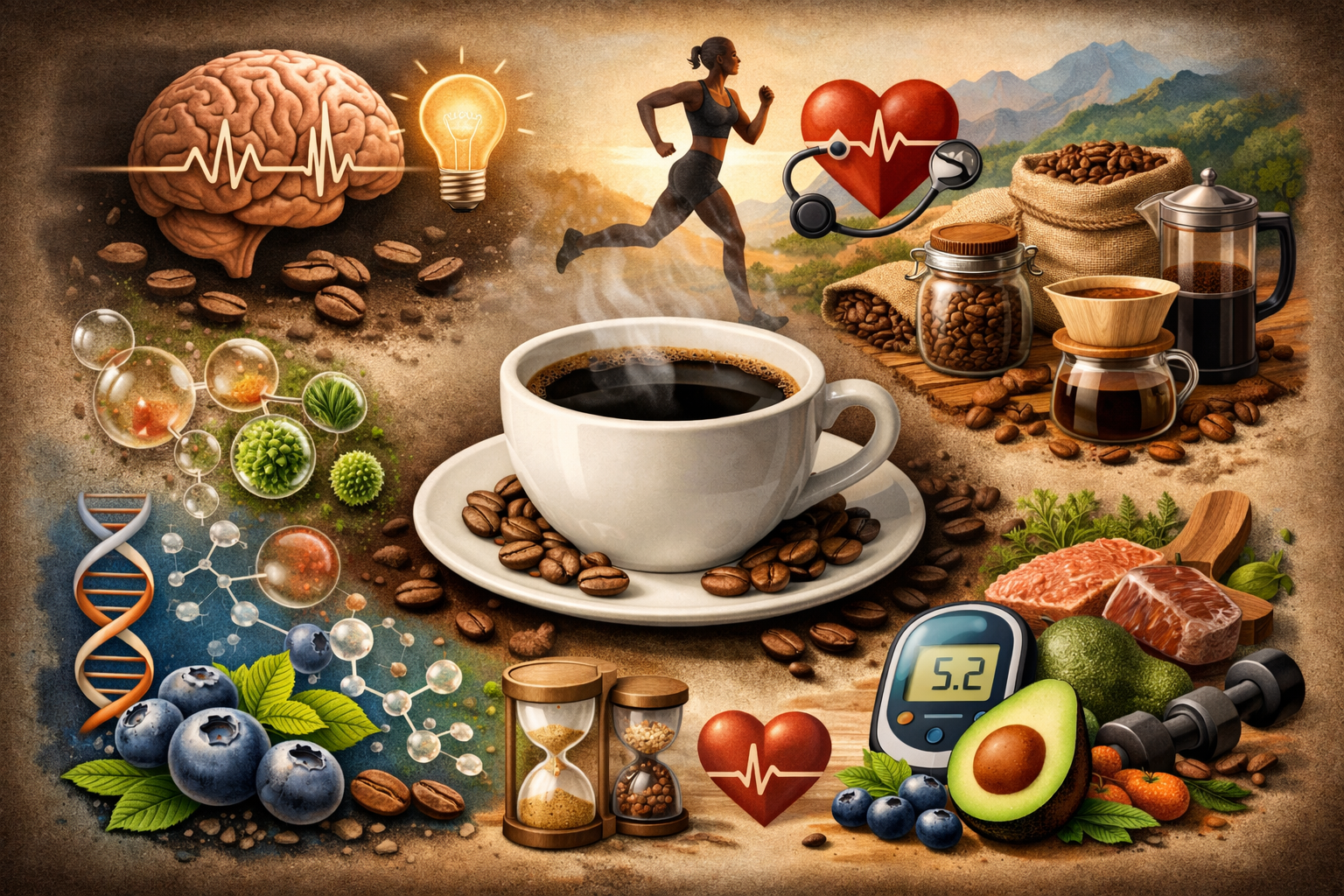
Introduction: Coffee, Health, and a Lot of Confusion
Coffee is one of the most widely consumed beverages in the world — and also one of the most misunderstood. For decades, coffee was associated with negative health effects, often based on outdated or incomplete research. Today, large-scale studies paint a far more nuanced and positive picture.
In 2026, coffee is among the most studied dietary components, with hundreds of peer-reviewed studies examining its effects on physical and cognitive health. When consumed responsibly, coffee can be part of a healthy lifestyle — especially when high-quality specialty coffee is brewed properly.
This article explores the real health benefits of daily coffee consumption, separates fact from fiction, and explains how to enjoy coffee without unnecessary concern.
What’s Actually in Coffee?
Coffee is far more than caffeine. A cup of coffee contains:
- Antioxidants (polyphenols)
- Organic acids
- Minerals (in small amounts)
- Bioactive compounds that influence metabolism and brain function
In fact, for many people, coffee is the largest single source of antioxidants in their daily diet.
Proven Health Benefits of Coffee
1. Coffee and Cognitive Performance
Caffeine is a natural stimulant that:
- Improves alertness
- Enhances focus
- Reduces perceived fatigue
- Improves reaction time
Moderate coffee consumption has been shown to support mental performance, particularly during tasks requiring sustained attention.
2. Coffee and Antioxidant Intake
Coffee contains significant amounts of antioxidants, which help neutralize free radicals in the body. These compounds are linked to:
- Reduced inflammation
- Cellular protection
- Long-term health benefits
Light to medium roasted specialty coffee tends to preserve more antioxidant activity compared to very dark roasts.
3. Coffee and Metabolic Health
Research suggests that regular coffee consumption may be associated with:
- Improved insulin sensitivity
- Reduced risk of type 2 diabetes
- Support for metabolic function
These benefits appear strongest when coffee is consumed without excessive sugar or artificial additives.
4. Coffee and Physical Performance
Caffeine increases adrenaline levels and mobilizes fatty acids, which can enhance physical performance and endurance. This is why coffee is commonly used as a pre-workout beverage.
5. Coffee and Long-Term Health Outcomes
Large observational studies have linked moderate coffee consumption to a lower risk of:
- Certain neurodegenerative diseases
- Liver disease
- Cardiovascular complications (when consumed responsibly)
While coffee is not medicine, evidence consistently shows that moderate intake is not harmful for most people.
How Much Coffee Is Considered “Healthy”?
Most health authorities agree that moderate coffee consumption is safe for healthy adults.
General guidelines:
- 2–4 cups per day for most people
- Up to 400 mg of caffeine daily as a general upper limit
Sensitivity varies, and individual tolerance should always guide intake.
Common Coffee Health Myths (Debunked)
Myth 1: Coffee Dehydrates You
Coffee has a mild diuretic effect, but regular drinkers develop tolerance. Coffee contributes to daily fluid intake.
Myth 2: Coffee Is Bad for Your Heart
For most people, moderate coffee consumption is not associated with increased cardiovascular risk.
Myth 3: Coffee Stunts Growth
There is no scientific evidence supporting this claim.
Myth 4: Dark Roast Is Healthier
Roast level does not determine health value. Light and medium roasts often preserve more beneficial compounds.
Coffee, Acidity, and Digestion
Some people experience digestive discomfort from coffee. This is influenced by:
- Roast level
- Brewing method
- Coffee quality
- Individual sensitivity
Tips to reduce discomfort:
- Choose lower-acidity coffees
- Avoid over-extraction
- Drink coffee with food
- Opt for specialty-grade beans
High-quality coffee is generally gentler on digestion than low-grade commercial coffee.
The Role of Brewing in Coffee Health
How coffee is brewed matters:
- Paper filters can reduce certain compounds
- Over-extracted coffee increases bitterness and irritation
- Clean brewing improves digestibility
Good brewing improves both flavor and comfort.
Coffee Additives Matter More Than Coffee Itself
Many negative health associations come not from coffee, but from what is added to it:
- Sugar
- Artificial creamers
- Syrups
Specialty coffee is often enjoyed black or with minimal additions, which preserves its natural benefits.
Who Should Moderate Coffee Intake?
Some individuals should be cautious:
- People with caffeine sensitivity
- Those with certain medical conditions
- Pregnant individuals (lower recommended limits)
Listening to your body is essential.
Why Specialty Coffee Fits a Health-Conscious Lifestyle
Specialty coffee emphasizes:
- Freshness
- Quality sourcing
- Clean roasting
- Transparency
These factors contribute to better taste and often better tolerance.
Final Thoughts: Coffee Is Not the Problem
For most people, coffee is not something to fear or eliminate. When enjoyed in moderation and brewed properly, coffee can be:
- Enjoyable
- Beneficial
- Part of a balanced lifestyle
The key is quality, moderation, and mindful consumption.