
Published by SpecialityCoffee.ca
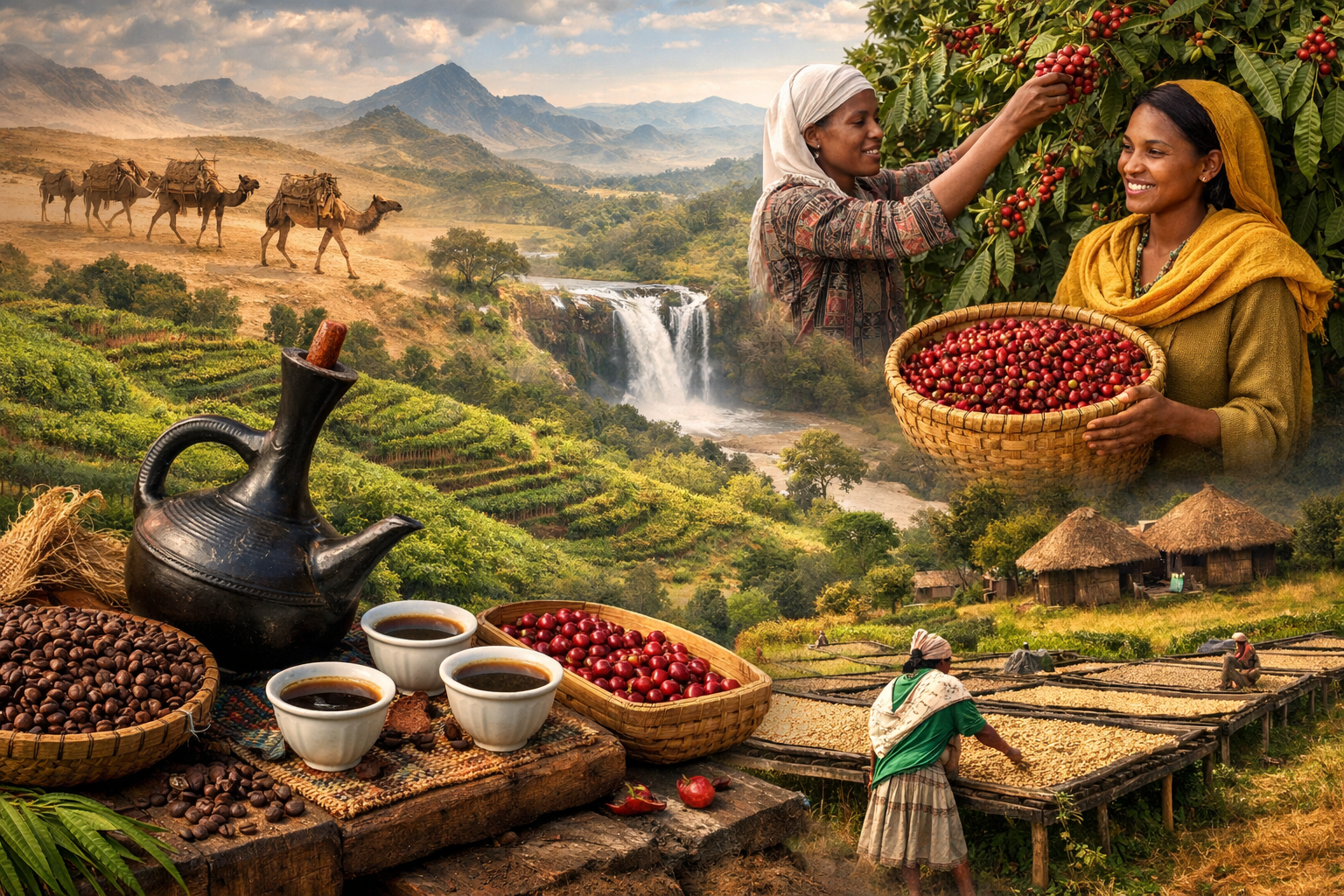
Introduction: Why Ethiopian Coffee Is Considered the Gold Standard
Ethiopia holds a unique place in the world of coffee. Widely recognized as the birthplace of Coffea arabica, Ethiopia produces coffees that are unlike anything else on the planet. For specialty coffee drinkers, Ethiopian coffee represents clarity, complexity, and origin purity.
In Canada and across North America, Ethiopian coffees consistently rank among the most sought-after single origins. Their distinctive floral aromas, vibrant acidity, and layered sweetness make them a cornerstone of any specialty coffee selection.
This guide explores the most important Ethiopian coffee regions, what makes each one unique, and how to choose the right Ethiopian coffee based on your taste preferences.
What Makes Ethiopian Coffee So Different?
Several factors distinguish Ethiopian coffee from other origins:
- Indigenous heirloom varieties found nowhere else
- High elevations, often above 1,800 meters
- Smallholder farming, with traditional cultivation methods
- Diverse microclimates across short distances
Unlike countries that rely on a limited number of cultivars, Ethiopia is home to thousands of genetically diverse coffee varieties, many still undocumented. This genetic diversity contributes directly to the complexity and uniqueness of Ethiopian coffee flavor profiles.
Yirgacheffe: Floral, Elegant, and Tea-Like
Flavor Profile
Yirgacheffe coffees are known for:
- Jasmine and floral aromatics
- Bright citrus acidity
- Tea-like body
- Clean, delicate finish
These coffees are often described as elegant and aromatic, making them especially popular among pour-over and filter coffee drinkers.
Processing Methods
Yirgacheffe is famous for its washed (wet) processing, which enhances clarity and highlights floral and citrus notes. Natural versions also exist, offering more fruit-forward profiles.
Best Brewing Methods
- Pour-over (V60, Kalita)
- Batch brew
- AeroPress
Yirgacheffe coffees reward precision brewing and shine when brewed fresh with filtered water.
Sidamo: Balanced, Sweet, and Approachable
Flavor Profile
Sidamo coffees typically feature:
- Citrus and stone fruit notes
- Balanced acidity
- Medium body
- Honeyed sweetness
Compared to Yirgacheffe, Sidamo coffees are often more rounded and versatile, making them excellent daily drinkers.
Growing Conditions
Sidamo is a large region with diverse altitudes and soil types, which results in a wide range of flavor expressions. Volcanic soils contribute to sweetness and complexity.
Best Brewing Methods
- Drip coffee
- Pour-over
- French press (medium roast)
Sidamo coffees appeal to drinkers who enjoy Ethiopian character without extreme brightness.
Guji: Modern, Fruit-Forward, and Expressive
Flavor Profile
Guji coffees have gained global attention for their:
- Intense fruit notes (berry, tropical fruit)
- Deep sweetness
- Juicy acidity
- Fuller body compared to other Ethiopian regions
Guji coffees often taste more bold and expressive, especially when naturally processed.
Why Guji Is So Popular
Guji is a relatively newer designation, but producers here have embraced innovative processing methods while maintaining quality standards. This combination results in coffees that feel both traditional and modern.
Best Brewing Methods
- Pour-over
- Espresso (light roast)
- AeroPress
Guji coffees are excellent for drinkers who enjoy complexity and intensity.
Harrar: Wild, Rustic, and Wine-Like
Flavor Profile
Harrar coffees are traditionally:
- Naturally processed
- Wine-like and heavy-bodied
- Rich in blueberry and dried fruit notes
These coffees are less clean than washed Ethiopians but offer a distinctive, rustic character.
Who Should Choose Harrar Coffee
Harrar is ideal for:
- Adventurous coffee drinkers
- Fans of natural processing
- Espresso blends seeking fruit complexity
Washed vs Natural Ethiopian Coffees
Washed Ethiopian Coffee
- Cleaner cup profile
- Emphasis on acidity and florals
- Tea-like body
Natural Ethiopian Coffee
- Fruit-forward sweetness
- Heavier body
- Wine-like complexity
Choosing between washed and natural Ethiopian coffee depends entirely on your flavor preferences.
How Altitude Influences Ethiopian Coffee Flavor
Most Ethiopian coffee is grown at high elevations, often between 1,800 and 2,300 meters. Higher altitude slows cherry maturation, resulting in:
- Denser beans
- Higher acidity
- Greater flavor complexity
This is a major reason Ethiopian coffees perform so well as light roasts.
How to Choose the Right Ethiopian Coffee for You
Choose Yirgacheffe if you enjoy:
- Floral aromas
- Light, delicate cups
- High clarity
Choose Sidamo if you prefer:
- Balanced sweetness
- Versatility
- Everyday drinkability
Choose Guji if you love:
- Juicy, fruit-forward flavors
- Bold sweetness
- Experimental processing
Choose Harrar if you want:
- Natural, wine-like intensity
- Traditional profiles
- Heavy body
Why Ethiopian Coffee Belongs in Every Specialty Coffee Collection
Ethiopian coffee represents the foundation of specialty coffee culture. Its diversity, complexity, and historical significance make it essential for anyone exploring high-quality coffee.
For retailers and consumers alike, Ethiopian coffee offers:
Final Thoughts
Ethiopian coffee is not a single flavor or style — it is an entire spectrum of expressions shaped by geography, genetics, and tradition. Whether you are new to specialty coffee or deeply experienced, Ethiopia offers coffees that continually surprise and inspire.
Choosing Ethiopian coffee means choosing heritage, diversity, and uncompromising quality.


